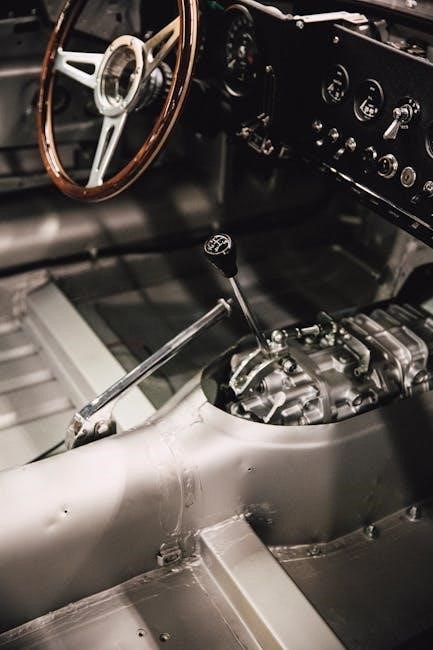
5.9 cummins manual transmission
The legendary Cummins diesel and Ram trucks forged a powerful alliance, delivering a remarkably reliable powertrain combination that enthusiasts highly praise and consistently recommend.
Historical Context: Cummins and Ram Partnership
The collaboration between Cummins and Ram, beginning in 1989, marked a pivotal moment in the truck industry. Prior to this, Ram (then Dodge) sought a diesel engine to compete with offerings from Detroit Diesel and General Motors. Cummins, already a respected name in diesel technology, presented a compelling solution – the 5.9L inline-six diesel engine.
This partnership wasn’t merely a supplier-customer relationship; it was a strategic alignment. Cummins focused on engine development and manufacturing, while Ram integrated the engine into their heavy-duty truck lineup. The initial first-generation Cummins engines, while relatively basic, quickly gained a reputation for durability and longevity. This initial success laid the foundation for a decades-long partnership, continually refined and improved upon, ultimately creating what many consider the gold standard in diesel truck powertrains.
Popularity and Reliability Overview
The 5.9 Cummins manual transmission pairing achieved widespread popularity due to its exceptional reliability and robust performance. Owners consistently report high mileage with minimal major repairs, fostering a devoted following within the truck community. This longevity stems from the engine’s simple, yet effective, design and the inherent strength of its cast-iron block.
The combination proved particularly appealing to those needing a workhorse truck for towing, hauling, and demanding applications. The manual transmission, specifically the NV4500 and NV5600, further enhanced this capability, offering precise control and a direct connection to the engine’s power. The reputation for dependability has translated into strong resale values, making these trucks a sought-after commodity even today, decades after their initial release.

Identifying the 5.9 Cummins Manual Transmission Models
Two primary manual transmissions were paired with the 5.9 Cummins: the NV4500 (1989-1999) and the NV5600 (2000-2007), each offering unique characteristics.
NV4500 Transmission (1989-1999) ‒ Details & Specs
The New Venture Gear NV4500, utilized from 1989 through 1999, became synonymous with the first-generation Cummins-powered Ram trucks. This robust, heavy-duty transmission is a top-loader design, known for its incredible durability and ability to handle significant torque. Typically, it features a wide-ratio five-speed configuration, making it well-suited for both towing and highway cruising.
Specific ratios varied slightly depending on the year and application, but a common setup included first gear ratios around 6.32:1, offering substantial low-end power. The NV4500’s cast iron case and large bearings contribute to its legendary strength. While generally reliable, age and high mileage can lead to wear in synchronizers and bearings; It’s important to note that the NV4500 is not an overdrive transmission, meaning it lacks a dedicated overdrive gear for fuel-efficient highway speeds.
NV5600 Transmission (2000-2007) ‒ Details & Specs
Replacing the NV4500 in 2000, the New Venture Gear NV5600 brought significant improvements to the Cummins manual transmission lineup. This six-speed overdrive transmission offered a wider range of gear ratios and enhanced fuel efficiency at highway speeds. Like its predecessor, the NV5600 boasts a robust cast iron case and is designed to withstand the high torque output of the 5.9 Cummins engine.
The addition of an overdrive gear (typically around 0.81:1) allowed for lower engine RPMs during cruising, resulting in better fuel economy and reduced engine wear. The NV5600 also featured stronger internal components compared to the NV4500, further increasing its durability. However, some owners have reported issues with input shaft bearing failures, particularly in earlier model years. Regular maintenance and proper fluid changes are crucial for maximizing the lifespan of this transmission.

Key Components of the 5.9 Cummins Manual Transmission
The 5.9 Cummins manual transmission relies on precisely engineered gear sets, synchronizers, shift forks, and rails working in harmony to deliver reliable power transfer.
Gear Sets and Ratios Explained
The 5.9 Cummins manual transmissions, specifically the NV4500 and NV5600, utilize a variety of gear sets to provide a broad range of ratios. These ratios are crucial for balancing power, torque, and fuel efficiency across different driving conditions. Lower gear ratios (like first gear) offer increased torque for starting and climbing, while higher ratios (like fifth or sixth gear) prioritize fuel economy at highway speeds.
The NV4500 typically features gear ratios around 6.32:1 for first gear and 0;73:1 for fifth. The NV5600, designed for higher torque capacities, often includes ratios like 6.67:1 in first and 0.61:1 in sixth. Understanding these ratios is vital for selecting the appropriate gear for optimal performance and preventing strain on the engine and transmission. Different final drive ratios in the rear axle further customize the overall gearing to suit specific vehicle applications, such as towing or off-roading.

Synchronizers and Their Function
Synchronizers are critical components within the 5.9 Cummins manual transmissions (NV4500 & NV5600), enabling smooth and quiet gear changes. Their primary function is to match the rotational speed of the gear being selected with the output shaft speed before the gear fully engages. This prevents grinding and jarring during shifts.
They achieve this through friction, utilizing a cone-shaped surface that contacts a corresponding cone on the gear. As the shift lever is moved, this contact creates friction, bringing the speeds into sync. Worn synchronizers are a common cause of grinding, especially when shifting quickly or into higher gears. Proper lubrication and avoiding aggressive shifting techniques are essential for prolonging synchronizer life. Inspecting synchronizer components during transmission service reveals wear patterns and potential issues.
Shift Forks and Rails – Operation and Maintenance
Shift forks and rails are the mechanical linkage that translates driver input into gear selection within the 5.9 Cummins manual transmissions. The shift rail, moved by the gear lever, engages with the shift fork. The fork then slides the synchronizer sleeve, ultimately engaging or disengaging the desired gear.
Regular maintenance involves inspecting the shift rails and forks for wear, bending, or damage. Worn forks can cause imprecise shifting or difficulty selecting certain gears. Proper lubrication of the rails and pivot points is crucial for smooth operation. Binding or stiffness in the shift linkage can indicate a need for cleaning and re-greasing. During transmission rebuilds, careful examination and replacement of worn components are essential to restore optimal shifting performance and prevent future issues.

Common Problems with the 5.9 Cummins Manual Transmission
Despite their robustness, these transmissions can experience issues like grinding gears, clutch failures, and bearing problems, often stemming from wear or improper maintenance.
Grinding Gears: Causes and Solutions
Grinding gears within the 5.9 Cummins manual transmission are a common complaint, often signaling underlying issues needing prompt attention. Several factors can contribute to this frustrating problem. Worn synchronizers are a primary culprit, failing to properly match gear speeds during shifts. Low or contaminated transmission fluid can also hinder smooth engagement, leading to grinding.
Driver error, such as rushing shifts or attempting to engage a gear at an incorrect speed, exacerbates the issue. A bent shift fork or damaged gear teeth can also cause persistent grinding. Diagnosing the root cause requires careful inspection. Solutions range from a simple transmission fluid change to a complete transmission rebuild. Replacing worn synchronizers, repairing or replacing shift forks, and addressing any gear damage are crucial steps. Ensuring proper shifting technique and regular fluid maintenance can prevent future occurrences, preserving the longevity of your transmission.
Clutch Issues: Slipping, Sticking, and Failure
The clutch system is integral to the 5.9 Cummins manual transmission’s performance, and issues like slipping, sticking, or complete failure can severely impact drivability. Clutch slippage, often felt as engine RPMs increasing without a corresponding speed increase, typically indicates a worn clutch disc. Contamination from oil or grease can also cause slippage. A sticking clutch pedal, conversely, suggests a problem with the clutch linkage or master/slave cylinders.
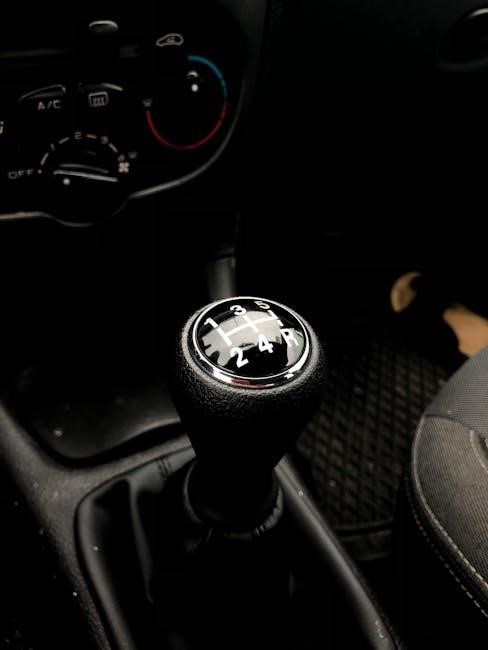
Complete clutch failure can leave you stranded, often due to a broken pressure plate or severely damaged disc. Regular inspection of the clutch linkage, hydraulic components, and the clutch disc itself is vital. Addressing leaks promptly and ensuring proper clutch adjustment can prevent many issues. Replacement of the entire clutch assembly – disc, pressure plate, and throw-out bearing – is often necessary when significant wear or damage is present, restoring full functionality.
Bearing Failures: Symptoms and Prevention
Bearing failures within the 5.9 Cummins manual transmission manifest as a variety of concerning noises – whining, growling, or even a distinct knocking sound that changes with speed or gear selection. These sounds often originate from within the transmission case itself. Excessive play in the input or output shafts can also indicate bearing wear. Ignoring these symptoms can lead to catastrophic transmission damage, requiring a complete rebuild.

Preventative maintenance is key. Regularly checking and maintaining proper fluid levels with the correct type of gear oil is crucial, as lubrication is paramount for bearing health. Avoiding harsh shifting and aggressive driving habits reduces stress on the bearings. Early detection of leaks and prompt repair prevents contamination. Periodic inspections during routine maintenance can identify subtle signs of wear before they escalate into major failures, saving significant repair costs.

Maintenance and Repair of the 5.9 Cummins Manual Transmission
Consistent fluid checks, timely replacements, and addressing issues promptly are vital for longevity. Skilled diagnosis and repair procedures ensure optimal performance and reliability.
Fluid Changes: Type, Frequency, and Procedure

Maintaining the correct fluid level and condition is paramount for the 5.9 Cummins manual transmission’s health. Typically, a GL-5 rated 75W-90 gear oil is recommended, though some prefer synthetic alternatives for enhanced performance and protection, especially in extreme climates. Frequency depends on usage; however, a general guideline suggests changing the fluid every 30,000 to 50,000 miles for standard driving, and more frequently – around 20,000 to 30,000 miles – for heavy towing or off-road conditions.
The procedure involves locating the fill and drain plugs (usually on the transmission case sides). With the vehicle securely supported, drain the old fluid completely. Inspect the drained fluid for metal shavings, indicating potential internal wear. Replace the drain plug with a new seal, then carefully fill the transmission with the specified amount of fresh fluid, using a pump to avoid spills. Finally, verify the fluid level by removing the fill plug and checking for overflow.
Clutch Replacement: Step-by-Step Guide
Replacing the clutch on a 5.9 Cummins requires mechanical aptitude and patience. First, disconnect the battery and safely support the vehicle. Drain the transmission fluid, then disconnect the driveshaft, shifter linkage, and any wiring connected to the transmission. Support the transmission with a jack before removing the crossmember and carefully lowering the transmission.
Next, inspect the flywheel for damage and resurface it if necessary. Remove the pressure plate and clutch disc, noting their orientation. Install the new clutch disc and pressure plate, ensuring proper alignment with the pilot bearing. Carefully reinstall the transmission, aligning the input shaft with the clutch disc. Reconnect all components in reverse order, ensuring proper torque specifications are followed. Finally, fill the transmission with fresh fluid and test the clutch operation.
Troubleshooting and Diagnostic Techniques
Diagnosing issues with the 5.9 Cummins manual transmission requires a systematic approach. Begin by checking the transmission fluid level and condition – low or contaminated fluid can cause shifting problems. Listen for unusual noises like whining, grinding, or clunking during operation, which can indicate internal damage.
Inspect the shifter linkage for looseness or damage, as this can lead to inaccurate gear selection. A thorough visual inspection for leaks around the transmission case is crucial. Utilize a scan tool to check for any transmission-related diagnostic trouble codes (DTCs). Perform a road test, paying attention to shift quality and engagement. If grinding occurs, investigate the synchronizers and clutch. Proper diagnosis often requires experience and specialized tools, so consulting a qualified mechanic is recommended for complex issues.
Performance Upgrades for the 5.9 Cummins Manual Transmission
Enhancements like aftermarket shift kits and upgraded clutches dramatically boost the 5.9 Cummins’ torque handling and responsiveness, unlocking its full potential.
Aftermarket Shift Kits – Benefits and Installation
Aftermarket shift kits represent a cost-effective method to refine the shifting experience within the 5.9 Cummins manual transmission. These kits typically modify hydraulic pressures and shift points, resulting in firmer, more precise gear changes and reduced travel distance. Benefits include improved performance, a more connected feel to the drivetrain, and potentially increased durability by minimizing stress on internal components.
Installation generally requires a moderate level of mechanical skill. It involves removing the transmission’s side cover to access the valve body, where the kit’s modified springs, check balls, and sometimes even solenoids are installed. Careful attention to the manufacturer’s instructions is crucial, as incorrect installation can lead to harsh shifting or even transmission damage. Proper fluid type and level are also essential post-installation to ensure optimal operation. Many enthusiasts find detailed guides and videos online to assist with the process, making it a viable DIY project for experienced mechanics.
Upgraded Clutch Options for Increased Torque Capacity
For 5.9 Cummins manual transmissions subjected to increased power levels – through modifications like injectors or turbo upgrades – the factory clutch often becomes a limiting factor. Upgraded clutch options are vital for reliably transferring the engine’s torque to the wheels. These range from heavy-duty organic clutches, offering a modest increase in clamping force, to performance clutches featuring ceramic or metallic friction materials.
Ceramic clutches provide exceptional grip and heat resistance, ideal for high-horsepower applications, but can exhibit aggressive engagement. Metallic clutches offer the highest torque capacity but are generally reserved for racing or extreme duty. Installation requires complete transmission removal and careful alignment to prevent premature wear. Considerations include pedal effort; upgraded clutches often require more force to depress. Selecting the appropriate clutch depends on the intended use and power output of the 5.9 Cummins, ensuring a robust and dependable drivetrain.