
the black cat pdf edgar allan poe
The Black Cat by Edgar Allan Poe: A Deep Dive
Poe’s complete works, readily available in a single volume, showcase his literary brilliance․ This collection offers access to all his tales and poems, revealing a truly remarkable and influential American author․
“The Black Cat” stands as a chilling cornerstone within Edgar Allan Poe’s renowned collection of tales, a masterful exploration of the darker recesses of the human psyche․ Published in 1843, this short story transcends the typical horror genre, delving into the unsettling realms of guilt, perversity, and the descent into madness․ It’s a narrative that doesn’t rely on external monsters, but rather on the terrifying potential within a disturbed mind․
The story, often found readily available as a PDF, presents a first-person account from an unnamed narrator, whose gradual unraveling forms the core of the horror․ Poe expertly employs an unreliable narrator, forcing the reader to question the veracity of events and to actively participate in deciphering the truth․ This technique amplifies the psychological tension, creating a deeply unsettling reading experience․
Beyond the surface-level horror, “The Black Cat” is a study of the self-destructive nature of unchecked impulses and the corrosive power of alcohol․ The tale’s enduring appeal lies in its ability to tap into universal fears – the fear of losing control, the fear of the unknown, and the fear of our own capacity for evil․ It remains a potent and disturbing work, solidifying Poe’s legacy as a master of psychological horror․
Historical Context: Publication and Initial Reception
“The Black Cat” first appeared in the August 19, 1843, issue of the Saturday Evening Post, a widely circulated American periodical of the time․ Edgar Allan Poe received $40 for its publication – a modest sum even then, reflecting the precarious financial situation that plagued much of his life․ The story was subsequently reprinted in The Broadway Journal in 1845, further expanding its reach․
Initial reception to the story was mixed, as was often the case with Poe’s work during his lifetime․ Some critics praised its atmospheric intensity and psychological depth, recognizing its innovative approach to the horror genre․ However, others dismissed it as morbid and sensationalistic, characteristic of the popular “penny dreadfuls” of the era․
Today, readily accessible as a PDF and in numerous anthologies, the story’s reputation has dramatically shifted․ It’s now considered a landmark achievement in American literature, celebrated for its masterful use of suspense, symbolism, and unreliable narration․ The story’s enduring popularity demonstrates a growing appreciation for Poe’s genius and his profound understanding of the human condition, despite the initial lukewarm response․
The Narrator: Unreliable and Descent into Madness
“The Black Cat” is famously narrated by an unnamed protagonist whose credibility rapidly unravels․ From the outset, he insists on his sanity while detailing increasingly disturbing acts, immediately establishing him as an unreliable narrator․ This deliberate technique draws the reader into a disturbing psychological landscape, questioning the veracity of every event described․
The narrator’s descent into madness is meticulously charted, fueled by alcohol and a growing “spirit of perversity;” His initial affection for animals, particularly Pluto, transforms into inexplicable cruelty, marking a crucial turning point․ He attempts to rationalize his actions, yet his explanations become increasingly convoluted and self-contradictory․
Available as a PDF and widely studied, the story’s power lies in its exploration of the narrator’s fractured psyche․ Poe masterfully portrays the disintegration of reason, showcasing how guilt, paranoia, and unchecked impulses can lead to horrific consequences․ The reader is left to decipher the truth amidst the narrator’s distorted perceptions, making the story a chilling study of the human mind․
Pluto: The First Cat and Symbolism of Innocence
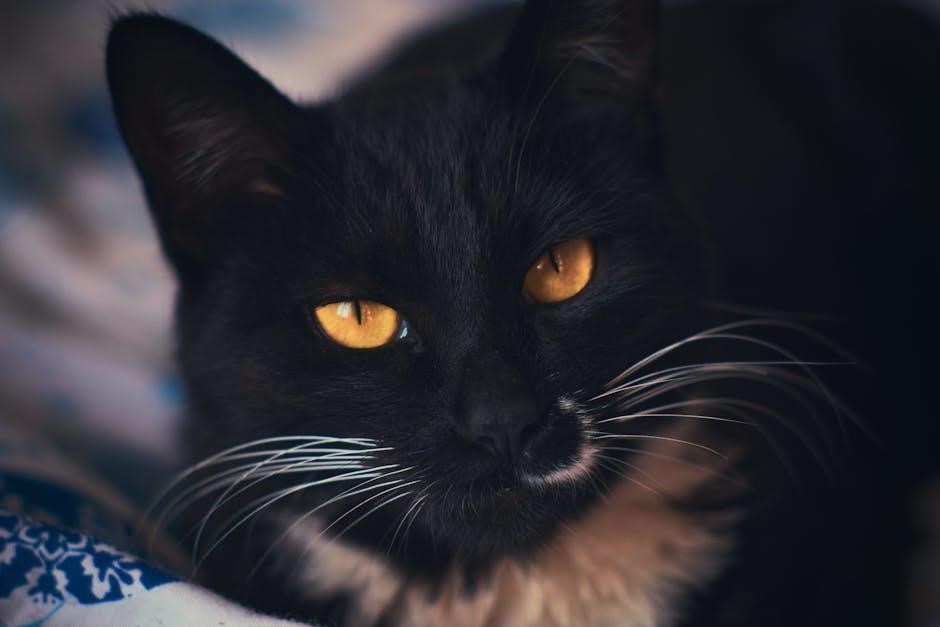
Pluto, the narrator’s initial black cat, embodies a profound sense of innocence and companionship, brutally contrasted by the narrator’s escalating depravity․ Initially, Pluto is a beloved pet, representing a connection to positive emotions and a semblance of normalcy in the narrator’s life․ His very name evokes the Roman god of the underworld, foreshadowing the darkness to come․
The senseless act of gouging out Pluto’s eye, and the subsequent hanging, marks a pivotal moment, symbolizing the narrator’s deliberate destruction of innocence and his descent into cruelty․ This act isn’t merely violent; it’s a symbolic severing of the narrator’s own moral compass․
As readily available in a PDF format as it is in print, Edgar Allan Poe’s story utilizes Pluto as a potent symbol․ The cat’s blackness itself can be interpreted as representing the hidden darkness within the narrator’s soul․ The loss of Pluto unleashes a chain of events driven by guilt and a perverse desire for self-destruction, making the cat central to the story’s thematic core․
The Second Cat: A Manifestation of Guilt and Superstition
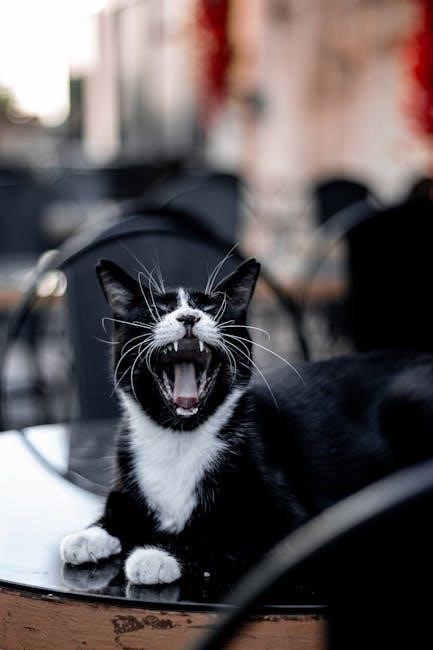
The appearance of the second black cat, bearing a striking resemblance to Pluto but marked with a white patch on its chest, is no coincidence․ This feline embodies the narrator’s overwhelming guilt and serves as a constant, haunting reminder of his crime․ The white patch, gradually forming the shape of the gallows, is a chilling visual representation of his impending doom․
Unlike Pluto’s initial affection, the narrator’s feelings towards the second cat are rooted in fear and resentment․ He perceives the animal as a supernatural tormentor, fueling his descent into paranoia and superstition․ This cat isn’t simply a pet; it’s a projection of his own conscience, relentlessly pursuing him․
Whether accessed through a physical copy or a convenient PDF, Edgar Allan Poe’s narrative masterfully employs the second cat as a symbol of inescapable retribution․ The narrator’s attempts to destroy the cat, mirroring his actions with Pluto, only intensify his psychological torment, ultimately leading to his confession․ The cat is a physical manifestation of his internal demons․
Alcoholism and Violence: The Driving Forces of the Narrative
The narrator’s descent into alcoholism is inextricably linked to his escalating violence, forming the core conflict of Edgar Allan Poe’s tale․ Initially presented as a kind animal lover, his increasing reliance on drink unleashes a darker, more volatile side of his personality․ This dependence serves as a catalyst for his cruelty towards both animals and, ultimately, his wife․
Poe doesn’t merely depict alcoholism as a character flaw; he portrays it as a destructive force that erodes morality and reason․ The narrator’s drunken rages directly lead to the mutilation of Pluto and, tragically, the murder of his wife․ These acts aren’t impulsive, but rather the result of a gradual deterioration fueled by substance abuse․
Whether reading a traditional book or a digital PDF version, the story’s power lies in its unflinching exploration of these themes․ The narrative demonstrates how unchecked addiction can dismantle a person’s character, leading to horrific consequences․ The violence isn’t gratuitous; it’s a direct outcome of the narrator’s self-destruction․
Perversity: Poe’s Exploration of Human Impulse
Edgar Allan Poe’s “The Black Cat” delves into the unsettling human tendency towards perversity – the deliberate desire to act against one’s own best interests, even embracing cruelty․ The narrator doesn’t simply fall into violence; he actively yields to an impulse to inflict suffering, initially on Pluto, and later, on his wife․
This isn’t presented as madness in the clinical sense, but as a conscious, albeit disturbing, choice․ The narrator acknowledges a strange “perverseness” within himself, a force that compels him to do things he knows are wrong․ He describes a growing desire to test the boundaries of his own morality, ultimately succumbing to its dark allure․
Whether experiencing the story through a physical copy or a convenient PDF download, readers are confronted with the chilling realization that this impulse exists within us all․ Poe masterfully illustrates how rational thought can be overridden by irrational desires, leading to acts of unspeakable horror․ The story isn’t just about a man who commits terrible deeds; it’s about the darkness that resides within the human psyche․
The Wall: A Confined Space and Symbolic Entombment
The wall in Poe’s “The Black Cat” functions as a potent symbol of confinement, both physical and psychological․ The narrator, driven by guilt and paranoia, secretly entombs his wife behind the newly plastered wall in the cellar․ This act isn’t merely a concealment of a crime; it’s a desperate attempt to bury his own conscience․
The cellar itself represents the depths of the narrator’s decaying psyche, a dark and hidden space mirroring his inner turmoil․ The wall, therefore, becomes a barrier between his conscious and subconscious, a desperate attempt to separate himself from the horror he has committed․
Whether reading a traditional hard copy or accessing the story as a readily available PDF, the imagery of the wall is deeply unsettling․ It evokes feelings of claustrophobia and dread, foreshadowing the inevitable revelation of the truth․ The wall isn’t just a structural element; it’s a manifestation of the narrator’s self-imposed prison, a tomb built to contain both his wife and his own fractured sanity․
The Wife’s Role: Victimhood and the Catalyst for Action
The wife in Edgar Allan Poe’s “The Black Cat” embodies profound victimhood, initially depicted as a loving companion who shares her husband’s affection for animals․ However, as the narrator descends into alcoholism and madness, she becomes the target of his escalating violence and cruelty․ Her attempts to intervene in his abuse of the black cats ultimately trigger the fatal act․
While the story is narrated from the perpetrator’s perspective, her role is crucial․ She represents innocence and compassion, qualities the narrator systematically destroys within himself․ Her death, concealed behind the wall, isn’t simply a consequence of his rage, but a symbolic silencing of his remaining conscience․
Accessing the story, whether through a physical copy or a convenient PDF version, highlights the chilling portrayal of her helplessness․ She serves as the catalyst for the narrative’s horrifying climax, her fate inextricably linked to the narrator’s unraveling psyche․ Her presence, even in death, haunts him, ultimately leading to his confession and exposure․
Themes of Guilt and Confession
Guilt permeates Edgar Allan Poe’s “The Black Cat,” driving the narrator’s descent into madness and ultimately compelling his confession․ Initially, his acts of cruelty towards Pluto and, subsequently, his wife, are rationalized and minimized․ However, the mounting weight of his transgressions manifests as paranoia and an overwhelming sense of dread․
The story’s structure, a confession extracted after the discovery of the walled-up corpse, underscores the inescapability of guilt․ The narrator’s detailed recounting of events isn’t a plea for understanding, but a desperate attempt to unburden himself, even if it means facing punishment․
Whether encountered in a printed edition or a readily available PDF format, the narrative powerfully illustrates how suppressed guilt can fester and distort reality․ The supernatural elements, such as the second cat’s appearance, can be interpreted as projections of his own tormented conscience․ The confession itself is a symbolic act of self-destruction, a final acknowledgment of his monstrous deeds and the unbearable burden of his guilt․
Supernatural Elements: Rational vs․ Irrational Explanations
“The Black Cat” masterfully blurs the line between rational explanation and supernatural occurrences, leaving readers to question the source of the narrator’s torment․ The appearance of the second cat, bearing a striking resemblance to Pluto and possessing an uncanny ability to provoke the narrator, is a central point of contention․
Is the second cat a genuine supernatural entity, a manifestation of the narrator’s guilt, or simply a coincidental feline? Poe intentionally leaves this ambiguous, allowing for multiple interpretations․ The cat’s presence could be viewed as a psychological projection, a tangible representation of the narrator’s decaying mental state․
Whether accessed through a physical copy or a convenient PDF version, the story’s power lies in its unsettling ambiguity․ The narrator’s increasingly unreliable perspective further complicates matters, making it difficult to discern what is real and what is imagined․ Poe’s genius lies in creating an atmosphere where both rational and irrational explanations feel equally plausible, enhancing the story’s psychological horror․
Literary Devices: Symbolism, Imagery, and Foreshadowing
Edgar Allan Poe’s “The Black Cat,” whether experienced through a printed edition or a readily available PDF, is a showcase of masterful literary techniques․ Symbolism permeates the narrative, with the black cat itself representing ill omen, guilt, and the narrator’s descent into darkness․ The cat’s changing form – from beloved pet to object of hatred – mirrors the narrator’s moral corruption․
Poe employs vivid imagery, particularly in descriptions of the decaying house and the gruesome act of violence, creating a palpable sense of dread․ Foreshadowing is subtly woven throughout the story; early hints of the narrator’s volatile temper and penchant for cruelty foreshadow his eventual acts of brutality․
The story’s structure itself contributes to the suspense, building tension through a first-person narrative delivered by an increasingly unreliable voice․ Poe’s deliberate use of these devices elevates “The Black Cat” beyond a simple horror tale, transforming it into a profound exploration of the human psyche and the destructive power of guilt․
Psychological Interpretation: Exploring the Narrator’s Psyche
Edgar Allan Poe’s “The Black Cat,” easily accessible as a PDF, offers a chilling study of a deteriorating mind․ The narrator’s descent into madness isn’t presented as a sudden break, but a gradual erosion of his moral compass, fueled by alcoholism and a disturbing “spirit of perversity․”
Psychologically, the story can be interpreted as a manifestation of repressed guilt and self-loathing․ The violence inflicted upon the cats, and ultimately his wife, serves as a projection of his internal turmoil․ His attempts to rationalize his actions – blaming the cat, then the house – demonstrate a profound denial of responsibility․
The narrator’s unreliability is crucial; his narrative is riddled with inconsistencies and justifications, forcing the reader to question his perception of reality․ Poe masterfully portrays a psyche fractured by addiction, paranoia, and a disturbing compulsion towards cruelty, leaving a lasting impression of psychological horror․
Influence and Adaptations: The Black Cat in Popular Culture
Edgar Allan Poe’s “The Black Cat,” widely available as a PDF, has profoundly impacted popular culture, inspiring countless adaptations and homages․ Its themes of guilt, madness, and the supernatural resonate deeply, making it a frequent source material for filmmakers, writers, and artists․
Numerous film adaptations exist, ranging from Roger Corman’s series of Poe-inspired horror films in the 1960s to more recent interpretations․ The story’s imagery – the black cat, the walled-up corpse – has become iconic in the horror genre․ Beyond film, “The Black Cat” has influenced literature, music, and even video games․
Its enduring appeal lies in its psychological depth and atmospheric dread․ The story’s exploration of the dark side of human nature continues to captivate audiences, solidifying its place as a cornerstone of gothic horror and a testament to Poe’s literary genius․ The tale’s influence is undeniable, echoing through generations of creative works․
Critical Analysis: Enduring Legacy and Scholarly Debate
Edgar Allan Poe’s “The Black Cat,” easily accessible as a PDF, continues to fuel scholarly debate regarding its interpretation and lasting significance․ Critics have long analyzed the story’s unreliable narrator, exploring the psychological motivations behind his descent into madness and violence․
The tale’s ambiguity invites multiple readings․ Some interpret it as a straightforward psychological thriller, while others see it as an allegory for addiction, guilt, or the destructive nature of unchecked impulses․ The symbolism of the black cat itself remains a point of contention, representing everything from innocence to superstition and evil․
Poe’s masterful use of literary devices – symbolism, imagery, and foreshadowing – contributes to the story’s enduring power․ Its influence on the horror genre is undeniable, and its exploration of the darker aspects of the human psyche continues to resonate with readers today․ The story’s legacy is secure, prompting ongoing critical analysis and appreciation․