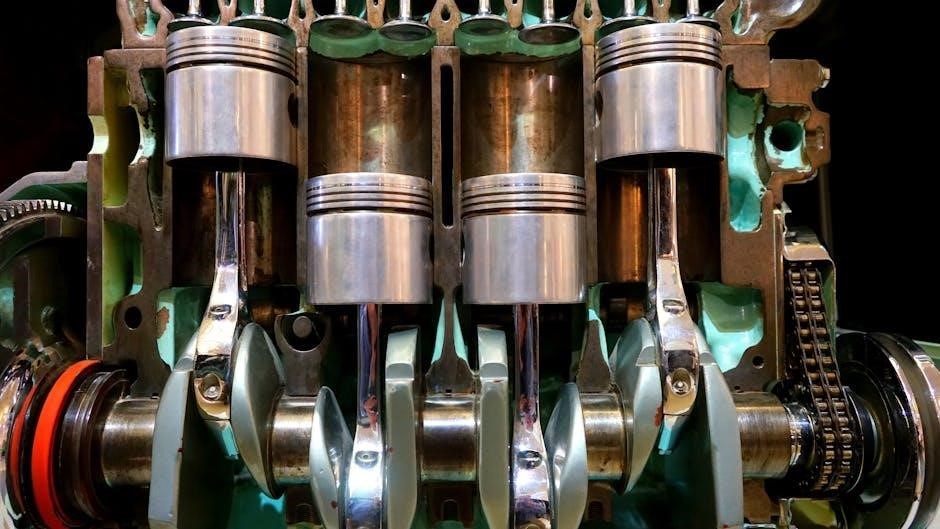
r410a piston size chart pdf
R410A Piston Size Chart PDF: A Comprehensive Guide
R410A piston size charts detail necessary cylinder dimensions based on unit tonnage‚ ranging from 0.049 inches for 1.5-ton to 0.089 inches for 5-ton units.
Understanding R410A and Piston Sizing
R410A‚ a hydrofluorocarbon refrigerant‚ demands precise piston sizing for optimal system performance. Understanding this relationship is crucial for technicians and engineers working with heating and cooling systems. The piston size chart for R410A correlates tonnage – a measure of cooling capacity – with the appropriate cylinder dimensions.
These charts are essential because R410A operates at significantly higher pressures than older refrigerants. Incorrect piston sizing can lead to inefficiencies‚ compressor damage‚ or even system failure. Selecting the correct piston ensures proper refrigerant flow‚ efficient compression‚ and adherence to environmental regulations. The charts typically specify piston diameters in inches‚ varying from approximately 0.049 inches for a 1.5-ton unit up to 0.089 inches for a 5-ton unit‚ demonstrating the direct link between cooling capacity and piston dimensions.
The Importance of Accurate Piston Size

Accurate piston size is paramount when servicing or installing R410A systems. Utilizing the correct R410A piston size chart directly impacts compressor efficiency and longevity. An undersized piston restricts refrigerant flow‚ causing reduced cooling capacity and potentially overheating the compressor motor. Conversely‚ an oversized piston can lead to short-cycling and inefficient operation.
Furthermore‚ precise sizing ensures proper oil return to the compressor‚ vital for lubrication and preventing damage. Incorrect sizing can disrupt this oil return path‚ accelerating wear and tear. R410A’s high operating pressures amplify the consequences of improper piston selection. Ignoring the piston size chart 410a can result in costly repairs‚ system failures‚ and compromised performance‚ highlighting the necessity of meticulous attention to detail during maintenance and installation procedures.

R410A Pressure-Temperature Relationship
R410A exhibits a strong correlation between pressure and temperature; understanding this is crucial when interpreting R410A piston size charts. As temperature increases‚ so does the refrigerant’s pressure‚ and vice versa. This relationship directly influences compressor performance and the required piston size for optimal operation. Higher superheat conditions‚ as noted in compressor data‚ necessitate adjustments to piston sizing to maintain efficiency.
The piston size chart 410a assists in selecting the appropriate cylinder dimensions to accommodate these pressure-temperature fluctuations. Deviations from the recommended pressure range can indicate issues with refrigerant charge‚ airflow‚ or compressor components. Therefore‚ accurate pressure readings‚ combined with temperature assessments‚ are essential for correctly utilizing the chart and ensuring the system operates within its designed parameters‚ maximizing cooling capacity and minimizing energy consumption.
R410A Flow Dynamics and Compressor Performance
R410A flow dynamics significantly impact compressor performance‚ making accurate piston size selection vital. Compressors‚ like the Copeland ZR380KCE-TWD‚ are designed for near-isothermal compression‚ relying on efficient refrigerant flow. The outlet port geometry‚ a built-in characteristic‚ influences this flow. Incorrect piston sizing restricts flow‚ reducing cooling capacity and potentially causing compressor overheating.
R410A piston size charts help match piston orifice diameter to the system’s tonnage‚ ensuring adequate refrigerant volume for optimal performance. Positive displacement rotary compressors utilize aluminium pistons and chrome-plated rings to facilitate smooth operation. Low discharge gas pulsations‚ achieved through optimized mass balance‚ are also dependent on proper flow. Selecting the correct size‚ based on the chart‚ contributes to quiet operation‚ reduced vibration‚ and extended compressor lifespan.

Decoding R410A Piston Size Charts
R410A piston size charts utilize tonnage to determine the necessary cylinder dimensions‚ crucial for efficient system operation and adherence to refrigerant regulations.
Chart Components and Terminology
R410A piston size charts are technical documents employing specific terminology to convey critical compressor data. Piston Size‚ measured in inches‚ indicates the diameter of the piston orifice‚ varying from 0.049” (1;5-ton) to 0.089” (5-ton). Tonnage represents the cooling capacity of the unit‚ directly correlating to the required piston size.
Understanding Oil Return Specifications‚ often denoted as 3/8” ⎼ 5/8-18 UNF‚ is vital for proper lubrication. Service Port Details identify connection points for maintenance. Compressor Outlet Port Geometry influences flow dynamics. Charts also reference HSK and HSN compressor models‚ categorized by temperature applications. These charts are essential for technicians ensuring correct component matching and optimal system performance‚ referencing data from manufacturers like Copeland (e.g.‚ ZR380KCE-TWD).
Tonnage and Corresponding Piston Sizes
R410A piston size charts establish a direct relationship between a unit’s cooling tonnage and the appropriate piston size required for optimal compressor performance. A 1.5-ton R410A unit generally necessitates a piston size of approximately 0.049 inches to maintain efficient operation. Scaling up‚ a 2-ton R410A unit typically utilizes a 0.052-inch piston.
For larger systems‚ a 3-ton R410A unit often requires around 0.068 inches‚ while a substantial 5-ton R410A unit demands a larger 0.089-inch piston. These dimensions are crucial for ensuring correct refrigerant flow and pressure ratios. Accurate piston sizing‚ informed by these charts‚ is paramount for system reliability and adherence to manufacturer specifications‚ particularly for compressors like the Copeland ZR380KCE-TWD.
Typical Piston Sizes for Common R410A Units
R410A systems exhibit varying piston size requirements based on cooling capacity. Typical piston sizes are directly correlated to the unit’s tonnage. For instance‚ a commonly encountered 1.5-ton R410A unit generally employs a piston measuring 0.049 inches in diameter‚ ensuring adequate refrigerant compression. Moving to a 2-ton R410A unit‚ the standard piston size increases to approximately 0.052 inches.
Larger capacity systems‚ such as a 3-ton R410A unit‚ typically utilize a piston around 0.068 inches. The most substantial of these common units‚ a 5-ton R410A unit‚ requires a piston size of roughly 0.089 inches. These values are critical for maintaining optimal system performance and efficiency‚ especially when considering compressors like the Copeland ZR380KCE-TWD and varying superheat conditions.
1.5 Ton R410A Unit Piston Size
For a 1.5-ton R410A unit‚ precise piston sizing is crucial for efficient operation. The standard piston diameter typically measures 0.049 inches. This dimension is carefully calculated to match the refrigerant flow rate and compressor capacity required for 1.5 tons of cooling. Utilizing the correct piston size ensures optimal performance and prevents issues like compressor overheating or reduced cooling efficiency.
Selecting the appropriate piston size is particularly important when servicing or replacing components in these systems. Incorrect sizing can lead to significant performance degradation. Considerations include the compressor model‚ such as those from Copeland‚ and the specific operating conditions‚ including superheat levels. Maintaining the specified 0.049-inch piston size guarantees compatibility and reliable operation for a 1.5-ton R410A cooling system.
2 Ton R410A Unit Piston Size
A 2-ton R410A unit generally requires a piston size of approximately 0.052 inches. This specific diameter is engineered to effectively manage the refrigerant flow necessary for a 2-ton cooling capacity. Accurate piston sizing is paramount for maintaining the system’s efficiency and preventing potential operational problems. Deviations from this recommended size can negatively impact compressor performance and overall cooling output.
When performing maintenance or component replacements on a 2-ton R410A system‚ verifying the piston size is essential. Factors like compressor type (e.g.‚ Copeland) and operating superheat conditions influence optimal performance. Adhering to the 0.052-inch specification ensures compatibility and reliable operation. Proper sizing contributes to energy efficiency and extends the lifespan of the compressor‚ ultimately reducing long-term costs and ensuring consistent cooling performance.

3 Ton R410A Unit Piston Size
For a 3-ton R410A unit‚ the appropriate piston size is crucial for optimal performance‚ typically falling within a specific range determined by the compressor manufacturer. While exact dimensions can vary‚ a common specification points towards a piston orifice diameter requiring careful consideration during maintenance or repair. Ensuring the correct size is vital for efficient refrigerant flow and consistent cooling capacity.
Selecting the correct piston size for a 3-ton system directly impacts compressor efficiency and longevity. Factors such as superheat conditions and the specific compressor model (like HSK or HSN series) influence the ideal diameter. Precise sizing prevents issues like liquid slugging or insufficient cooling. Maintaining the recommended specifications‚ often detailed in technical documentation‚ guarantees reliable operation and minimizes energy consumption‚ contributing to a cost-effective and environmentally responsible cooling solution.
5 Ton R410A Unit Piston Size
Determining the correct piston size for a 5-ton R410A unit is paramount for maintaining system efficiency and preventing compressor damage. Generally‚ these larger capacity units require a significantly larger piston orifice diameter compared to smaller tonnage systems. Charts indicate a typical dimension around 0.089 inches‚ though variations exist based on the compressor’s specific design and manufacturer’s specifications.

Accurate piston sizing is especially critical in 5-ton systems due to the increased refrigerant flow rates. Incorrect sizing can lead to reduced cooling capacity‚ increased energy consumption‚ and potential compressor failure. Considerations like superheat levels and the compressor model (e.g.‚ Copeland ZR series) are essential. Always consult the relevant technical documentation and piston size charts to ensure compatibility and optimal performance‚ safeguarding the longevity and reliability of the entire cooling system.
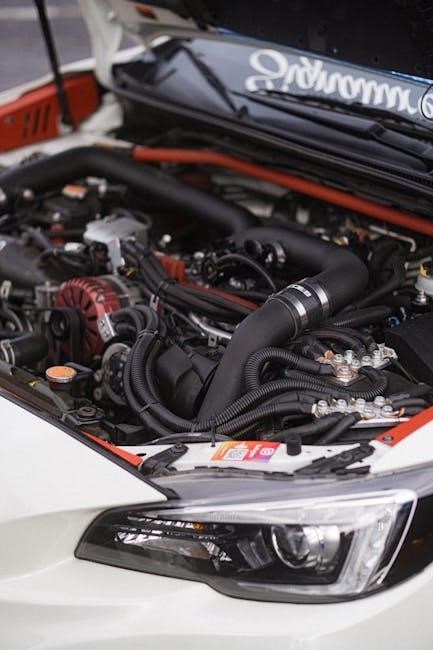
Factors Influencing Piston Size Selection
Compressor type‚ superheat conditions‚ and HSK/HSN models significantly impact piston size selection‚ demanding precise data for optimal R410A system performance.
Compressor Type and Model (e.g.‚ Copeland ZR380KCE-TWD)
Selecting the correct piston size is intrinsically linked to the specific compressor model utilized within the R410A system. For instance‚ the Copeland ZR380KCE-TWD‚ a hermetic piston compressor‚ requires precise piston dimensions to ensure optimal performance and longevity. Technical documentation for this model‚ and others‚ will specify the appropriate piston orifice size.
Different compressor designs – rotary‚ scroll‚ or reciprocating – necessitate varying piston sizes due to their unique operational characteristics. The ZR380KCE-TWD‚ featuring aluminum pistons and hard chrome-plated rings‚ is optimized for quiet operation and reduced vibration. Understanding the compressor’s internal geometry‚ including the built-in volume‚ is crucial. Furthermore‚ manufacturers provide detailed data sheets outlining nominal motor characteristics and performance curves‚ directly influencing piston size determination. Always consult the manufacturer’s specifications for the exact model in use.
Superheat Conditions and Compressor Data
R410A piston sizing isn’t solely determined by tonnage; superheat conditions significantly impact the selection process. Higher superheat conditions‚ representing the temperature difference between the refrigerant vapor and its saturation temperature‚ necessitate adjustments to piston compressor data. Manufacturers provide performance data based on varying superheat levels‚ influencing optimal cylinder dimensions.
Compressor data sheets detail performance characteristics at specific superheat settings. Utilizing data aligned with the system’s operating conditions is vital for accurate piston sizing. This ensures efficient refrigerant flow and prevents compressor damage. Furthermore‚ understanding the relationship between superheat‚ refrigerant charge‚ and system capacity is crucial. Proper piston sizing‚ informed by compressor data and superheat considerations‚ maximizes cooling efficiency and system reliability‚ preventing issues like liquid slugging or overheating.
HSK and HSN Compressor Models
Copeland‚ a leading compressor manufacturer‚ utilizes HSK and HSN models within its R410A piston compressor range. HSK-Models are specifically designed for high- and medium-temperature applications‚ demanding precise piston sizing based on operating conditions. These compressors feature optimized mass balance and low discharge gas pulsations‚ requiring accurate piston selection for peak performance.
HSN-Models cater to similar temperature ranges‚ but may exhibit slight variations in internal geometry. Therefore‚ referencing the specific technical data sheet for each model is paramount. These sheets provide detailed compressor specifications‚ including piston size recommendations‚ oil return specifications‚ and service port details. Utilizing the correct piston size‚ as outlined in the manufacturer’s data‚ ensures optimal efficiency‚ reliability‚ and longevity of the HSK and HSN compressor units within R410A systems.

Technical Specifications and Data
Technical data for R410A compressors includes oil return specifications (3/8″ ⎼ 5/8-18 UNF)‚ service port details‚ and compressor outlet port geometry for optimal flow.
Oil Return Specifications (e.g.‚ 3/8″ ⎼ 5/8-18 UNF)
Proper oil return is critical for R410A compressor longevity and efficiency. Specifications commonly dictate a 3/8″ oil return line with a 5/8-18 UNF (Unified National Fine) thread connection. This ensures adequate lubricant flow back to the compressor‚ preventing oil starvation and potential damage.
Insufficient oil return can lead to compressor overheating‚ reduced cooling capacity‚ and ultimately‚ failure. The specific oil return line size and connection type are detailed in the compressor’s technical documentation‚ like those for the Copeland ZR380KCE-TWD model.
Maintaining the correct oil level and ensuring unobstructed oil return passages are vital aspects of R410A system maintenance. Proper installation and adherence to manufacturer guidelines are essential for reliable operation and extended compressor life. Ignoring these specifications can void warranties and lead to costly repairs;
Service Port Details
Service ports on R410A compressors‚ such as the Copeland ZR380KCE-TWD‚ facilitate system access for diagnostics‚ charging‚ and evacuation. These ports are crucial for technicians performing maintenance and repairs. Typically‚ a designated service port‚ often a 1/4″ SAE flare fitting‚ is present for connecting gauges and vacuum pumps.
Detailed documentation specifies the exact location and type of each service port. Proper use of these ports‚ with appropriate service tools and procedures‚ prevents refrigerant leaks and contamination. Understanding the port configurations is essential for accurate system analysis and efficient troubleshooting.
Accessing service port information is vital when working with R410A systems. Incorrectly utilizing these ports can compromise system performance and potentially damage components. Always refer to the compressor’s technical data for precise details regarding service port specifications and recommended procedures.
Compressor Outlet Port Geometry
Compressor outlet port geometry significantly impacts R410A system performance‚ influencing refrigerant flow and overall efficiency. The size and shape of this port determine the so-called “built-in pressure drop‚” affecting compressor capacity and energy consumption. Variations in port design accommodate different refrigerant flow rates based on compressor tonnage.
Manufacturers carefully engineer outlet port geometry to optimize flow dynamics and minimize turbulence. This design consideration is particularly crucial in high-capacity units where maximizing refrigerant throughput is essential. Precise dimensions ensure compatibility with system piping and components‚ preventing restrictions and pressure losses.
Understanding outlet port geometry is vital for technicians diagnosing system issues related to refrigerant flow. Incorrectly sized or configured ports can lead to reduced cooling capacity and increased energy costs. Detailed technical specifications provide critical information for proper installation and maintenance.
Applications and System Types
R410A powers diverse applications‚ including water-cooled chiller units (ARW-T4 Series) and medium/large process cooling‚ even integrated R410A/CO2 systems.
Water-Cooled Chiller Units (ARW-T4 Series)
The ARW-T4 series represents a line of water-cooled chiller units specifically designed for medium to large-scale process cooling applications. These units are pre-charged with R410A refrigerant and utilize four scroll compressors to achieve high cooling capacities.
Proper piston sizing within these compressors is crucial for optimal performance and efficiency. Selecting the correct piston size‚ as detailed in R410A piston size charts‚ ensures adequate refrigerant flow and compression ratios for the specific cooling load. Variations in piston size correlate directly with the unit’s tonnage‚ influencing its ability to maintain desired temperatures in demanding industrial processes.
Understanding the interplay between the R410A refrigerant properties‚ compressor design‚ and the cooling requirements of the application is paramount when servicing or maintaining these chiller units. Accurate piston sizing contributes to reliable operation and minimizes energy consumption.
Medium and Large-Sized Process Cooling
R410A piston size charts are indispensable when servicing cooling systems designed for medium and large-scale industrial processes. These applications demand precise temperature control and consistent performance‚ making accurate compressor component selection critical. The charts facilitate choosing the correct piston diameter‚ directly impacting the compressor’s capacity to handle varying heat loads.
Selecting the appropriate piston size‚ based on the system’s tonnage‚ ensures efficient refrigerant compression and optimal cooling output. Incorrect sizing can lead to reduced performance‚ increased energy consumption‚ or even compressor failure.
Furthermore‚ understanding the relationship between R410A’s pressure-temperature characteristics and piston displacement is vital for maintaining stable operation. Utilizing these charts alongside compressor data sheets guarantees compatibility and maximizes the lifespan of the cooling equipment.
R410A/CO2 Systems
R410A/CO2 systems represent a growing trend in refrigeration‚ blending the efficiency of R410A with the environmental benefits of CO2. When working with these hybrid systems‚ referencing a detailed R410A piston size chart PDF is crucial for maintaining optimal performance and system integrity. The chart aids in selecting the correct piston dimensions for the R410A side of the cascade system.
Proper piston sizing ensures efficient compression of R410A‚ which then effectively cools the CO2 refrigerant in the low-temperature stage. Incorrect sizing can disrupt the cascade process‚ leading to reduced cooling capacity and increased energy consumption.
Technical data sheets for these systems often specify precise piston requirements‚ and the chart serves as a valuable cross-reference. Understanding oil return specifications (like 3/8″ ⎯ 5/8-18 UNF) is also vital for long-term reliability.