homelite 2700 psi pressure washer manual
Homelite 2700 PSI Pressure Washer Manual: A Comprehensive Guide
Today’s date is December 4th, 2025, at 02:44:20 AM. This manual provides detailed instructions for optimal performance and safe operation of your pressure washer.
Welcome! This manual serves as your complete resource for the Homelite 2700 PSI Pressure Washer. As of today, December 4th, 2025, at 02:44:20 AM, you’ve taken a significant step towards efficient cleaning. This powerful machine is designed for a wide range of tasks, from washing vehicles and siding to cleaning decks and driveways.
Before operation, carefully review this guide to ensure proper setup, safe usage, and effective maintenance. Understanding each component and following the outlined procedures will maximize the lifespan of your pressure washer and deliver consistently excellent results. We’ve included detailed instructions, troubleshooting tips, and essential safety precautions to provide a seamless user experience.
This manual aims to empower you with the knowledge to confidently tackle any cleaning challenge.
Safety Precautions & Warnings
Important Safety Information: As of December 4th, 2025, 02:44:20 AM, prioritizing safety is crucial when operating your Homelite 2700 PSI Pressure Washer. Never point the wand at yourself or others. Always wear safety goggles to protect your eyes from debris. High-pressure spray can cause serious injury.
Ensure a stable footing during operation and avoid using the pressure washer on unstable surfaces; Keep children and pets away from the work area. Do not modify the pressure washer in any way, as this could compromise safety features. Always disconnect the power source before performing any maintenance or repairs.
Read and understand all warnings and instructions before use. Failure to follow these precautions could result in severe injury or property damage.
Understanding the Components
Component Overview (as of December 4th, 2025, 02:44:20 AM): Your Homelite 2700 PSI Pressure Washer consists of several key components working in unison. These include a powerful engine providing the driving force, and a robust pump generating the high-pressure water stream. The high-pressure hose delivers water to the wand, which controls the spray pattern via interchangeable nozzles.
Familiarize yourself with the location of the on/off switch, pressure adjustment knob, and water inlet connection. The frame provides stability, while the detergent tank allows for applying cleaning solutions. Understanding each component’s function is vital for safe and effective operation. Refer to the detailed parts diagram for visual identification.
Identifying Key Parts – Engine & Pump
Engine Details (as of December 4th, 2025, 02:44:20 AM): The Homelite 2700 PSI pressure washer utilizes a single-cylinder, air-cooled engine. Locate the spark plug, recoil starter, and fuel tank – essential for engine maintenance. Always disconnect the spark plug before servicing; The engine’s horsepower directly impacts the pump’s performance.
Pump Specifics: The axial cam pump is the heart of the pressure washer, converting rotational energy into water pressure. Identify the water inlet, high-pressure outlet, and unloader valve. The unloader valve regulates pressure, preventing damage. Regular inspection of the pump seals is crucial for preventing leaks and maintaining optimal pressure output.
Nozzle Selection & Functionality
Nozzle Variety (as of December 4th, 2025, 02:44:20 AM): Your Homelite 2700 PSI pressure washer includes multiple nozzles, each designed for specific cleaning tasks. A 0-degree nozzle delivers a concentrated stream for stubborn dirt, while a 25-degree nozzle is ideal for general cleaning. The 40-degree nozzle provides a wider spray pattern for delicate surfaces.
Understanding Spray Patterns: The soap nozzle creates a low-pressure, high-volume spray for applying detergents. Always use the appropriate nozzle for the surface you are cleaning to avoid damage. Incorrect nozzle selection can lead to etching or stripping paint. Regularly inspect nozzles for clogs and ensure proper functionality.
Hose and Wand Assembly
Connecting Components (as of December 4th, 2025, 02:44:20 AM): The high-pressure hose connects securely to the pump outlet and the spray gun. Ensure a tight connection to prevent leaks during operation. The wand slides into the spray gun, locking into place with a quick-connect mechanism. Verify the wand is firmly secured before use.
Proper Alignment: Always align the hose and wand connections to avoid cross-threading or damage. Inspect the hose for kinks or abrasions before each use. A damaged hose can burst under pressure, posing a safety hazard. Regularly check the quick-connect fittings for wear and tear, replacing them as needed to maintain optimal performance.
Assembly Instructions
Initial Setup (December 4th, 2025, 02:44:20 AM): Before first use, carefully unpack all components and verify everything is present according to the parts list. Assembly requires connecting the high-pressure hose, attaching the wand and nozzles, and establishing a water supply connection. Ensure the engine is switched off during the assembly process for safety.
Step-by-Step Guidance: Begin by securely attaching the high-pressure hose to both the pump outlet and the spray gun. Next, slide the wand into the spray gun, ensuring it locks firmly. Finally, connect the water supply hose to a standard garden faucet; Double-check all connections for tightness before proceeding to operation.
Connecting the High-Pressure Hose
As of December 4th, 2025, 02:44:20 AM, carefully inspect the high-pressure hose for any damage before connecting. Begin by screwing one end of the hose onto the pump outlet, ensuring a hand-tight fit, then use a wrench for an additional quarter turn.
Secure Connection: Next, attach the other end of the hose to the spray gun. Again, hand-tighten followed by a quarter turn with a wrench. It’s crucial to avoid over-tightening, which could damage the fittings. Verify the hose is securely fastened at both ends to prevent leaks during operation. A loose connection can reduce pressure and pose a safety hazard.
Attaching the Wand and Nozzles
Recorded on December 4th, 2025, at 02:44:20 AM, begin by securely attaching the desired nozzle to the spray wand. Ensure it clicks firmly into place; a loose nozzle can detach during use, potentially causing injury. Next, slide the wand into the spray gun’s lance connector until it locks.
Nozzle Selection: Different nozzles provide varying spray patterns – from wide-angle for gentle cleaning to narrow-angle for concentrated power. Always select the appropriate nozzle for the task at hand. Before operation, double-check that both the nozzle and wand are firmly secured to prevent accidental disconnections during pressure washing.
Water Supply Connection
As of December 4th, 2025, at 02:44:20 AM, connect the water supply hose to a standard garden faucet. Ensure the faucet is fully open to provide adequate water flow. Before connecting, inspect the water inlet filter on the pressure washer and clean it if necessary to prevent debris from entering the pump;
Important Note: Never draw water from non-potable sources. Securely attach the hose to both the faucet and the pressure washer inlet, using hose clamps if needed to prevent leaks. Check for leaks after connection and before starting the engine. Insufficient water supply can damage the pump, so verify a strong, consistent flow.
Operating Instructions
Recorded on December 4th, 2025, at 02:44:20 AM, before operation, always double-check all connections and ensure the unit is on a level surface. Familiarize yourself with the pressure adjustment knob and nozzle selection. Begin with a low-pressure setting and gradually increase as needed for the cleaning task.
Crucially, maintain a safe distance from the surface being cleaned, starting with a wider spray pattern. Avoid directing the spray at electrical outlets or sensitive equipment. Regularly inspect the high-pressure hose for damage during operation. Always shut off the engine before making any adjustments or disconnecting components.
Starting the Engine – Cold Start Procedure
As of December 4th, 2025, at 02:44:20 AM, ensure the fuel valve is open and the choke is set to the ‘start’ position. Slowly pull the starter cord with a firm, steady motion – avoid jerking. If the engine doesn’t start after a few pulls, repeat the process, potentially adjusting the choke slightly.
Once the engine sputters, gradually move the choke to the ‘run’ position. Continue pulling the starter cord until the engine starts and runs smoothly. Allow the engine to warm up for a few minutes before applying full pressure. Regularly check the oil level before each cold start to prevent engine damage.
Starting the Engine – Warm Start Procedure
Recorded on December 4th, 2025, at 02:44:20 AM, a warm start differs slightly. With the fuel valve open, ensure the choke is in the ‘run’ position – it may not be needed at all. Gently pull the starter cord; warm engines typically require less effort to ignite.

If the engine doesn’t start immediately, try a few more pulls, but avoid excessive force. A flooded engine can occur with repeated pulls. If flooding happens, allow the engine to sit for a few minutes before attempting to restart. Always monitor the engine’s performance and address any unusual noises promptly for optimal longevity.
Adjusting Pressure Settings
As of December 4th, 2025, at 02:44:20 AM, your Homelite 2700 PSI pressure washer features adjustable pressure settings. These are typically controlled via the unloader valve, located near the pump. Turning the valve clockwise increases pressure, while counterclockwise decreases it.
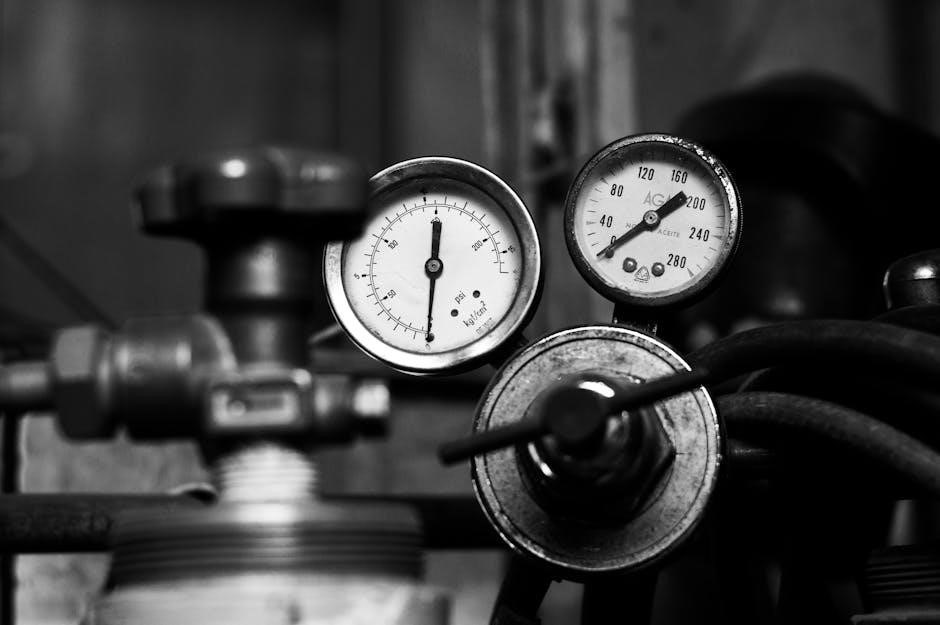
Begin with the lowest setting for delicate surfaces and gradually increase as needed. Always test a small, inconspicuous area first to avoid damage. Be mindful of the nozzle type, as it also influences the effective cleaning pressure. Incorrect pressure can harm surfaces; always prioritize caution and appropriate settings for the task at hand.
Proper Spraying Techniques
Recorded on December 4th, 2025, at 02:44:20 AM, effective cleaning with your Homelite 2700 PSI pressure washer relies on proper technique. Maintain a consistent distance of 8-12 inches from the surface. Use sweeping motions, overlapping each pass slightly to avoid streaking.
Always start with a wider nozzle (e.g., 25-degree) and move to narrower ones (e.g., 15-degree) for stubborn dirt. Avoid directing the spray directly upwards under surfaces, as this can cause damage. Work from top to bottom to prevent re-soiling. Rinse thoroughly after cleaning, and remember safety glasses are crucial for eye protection during operation.
Maintenance & Troubleshooting
As of December 4th, 2025, at 02:44:20 AM, regular maintenance ensures your Homelite 2700 PSI pressure washer’s longevity. Inspect hoses for cracks and connections for leaks before each use. Address any issues promptly. Troubleshooting common problems like engine failure or pump malfunction requires a systematic approach.
Check the fuel level and spark plug for engine issues. For pump problems, verify water supply and nozzle obstructions. Refer to the detailed sections within this manual for specific solutions. Preventative maintenance, including winterization, is vital. Ignoring warning signs can lead to costly repairs or reduced performance. Always disconnect the power source before performing any maintenance.

Routine Maintenance Schedule
Recorded on December 4th, 2025, at 02:44:20 AM, a consistent maintenance schedule is crucial for your Homelite 2700 PSI pressure washer. After each use, flush the pump with clean water to remove debris. Monthly, inspect the high-pressure hose for wear and tear, replacing it if necessary.
Every 50 hours of operation, change the engine oil and clean or replace the air filter. Annually, inspect the fuel lines and carburetor. Before winter storage, completely drain the pump and engine to prevent freezing damage. Keep a log of all maintenance performed. Following this schedule maximizes performance and extends the lifespan of your pressure washer, ensuring reliable operation for years to come.
Cleaning the Nozzles
As of December 4th, 2025, at 02:44:20 AM, clogged nozzles significantly reduce your Homelite 2700 PSI pressure washer’s effectiveness. Regularly inspect nozzles for mineral deposits or debris. To clean, first, disconnect the nozzle from the wand; Then, use a thin wire or the nozzle cleaning tool (if included) to carefully remove obstructions from the nozzle orifice.
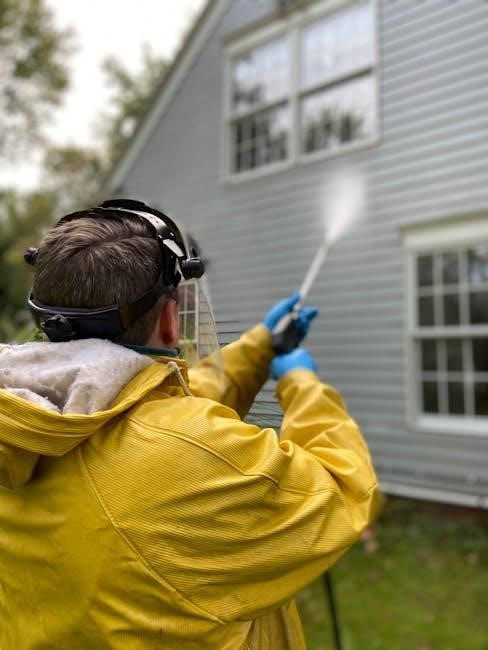
Avoid using sharp objects that could damage the nozzle’s precision opening. For stubborn clogs, soak the nozzle in a vinegar solution overnight. Rinse thoroughly with water before reattaching. Maintaining clean nozzles ensures optimal spray patterns and maximum cleaning power, contributing to the longevity of your pressure washing system.

Winter Storage Preparation
Recorded on December 4th, 2025, at 02:44:20 AM, proper winterization is crucial for protecting your Homelite 2700 PSI pressure washer. Begin by disconnecting the water supply and draining all water from the pump, hoses, and wand. Use pump saver fluid specifically designed for pressure washers, following the manufacturer’s instructions.
This prevents freezing and corrosion within the pump. Disconnect the spark plug wire to prevent accidental starting. Store the unit in a dry, protected location, ideally indoors. Cover the pressure washer to shield it from dust and debris. Regular maintenance, including this winterization process, extends the life of your equipment.
Common Problems & Solutions – Engine Issues
As of December 4th, 2025, at 02:44:20 AM, several engine issues may arise. If the engine fails to start, check the fuel level, spark plug connection, and air filter for obstructions. A clogged air filter restricts airflow, hindering performance. If the engine starts but runs roughly, stale fuel could be the culprit; drain and replace with fresh gasoline.
Low oil levels can also cause issues – ensure proper oil levels are maintained. For persistent problems, consult a qualified technician. Regular maintenance, like fuel stabilizer use, prevents fuel degradation. Always disconnect the spark plug before performing any engine repairs for safety.
Common Problems & Solutions – Pump Issues
Recorded on December 4th, 2025, at 02:44:20 AM, pump issues can significantly impact performance. Reduced pressure often indicates a partially clogged nozzle; remove and clean thoroughly. If pressure remains low, inspect the high-pressure hose for kinks or damage, replacing if necessary. A pulsating spray suggests air entering the pump – check all hose connections for tightness.
Pump failure can stem from running the unit dry; always ensure a sufficient water supply. Regularly flush the pump with clean water to prevent mineral buildup. For internal pump damage, professional repair is recommended. Avoid using abrasive chemicals, as they can harm pump seals.
Technical Specifications
As of December 4th, 2025, at 02:44:20 AM, understanding these specifications ensures proper usage and maintenance. The Homelite 2700 PSI Pressure Washer boasts a maximum pressure of 2700 pounds per square inch, delivering robust cleaning power. Its flow rate is 2.3 gallons per minute (GPM), balancing pressure with water efficiency.
The engine is a 6.5 horsepower, four-stroke OHV, fueled by gasoline. Pump specifications include an axial cam pump design with ceramic pistons for durability. The unit weighs approximately 62 pounds and features a 25-foot high-pressure hose. These details are crucial for optimal operation and troubleshooting.
Pressure Washer Performance Data
Recorded on December 4th, 2025, at 02:44:20 AM, the Homelite 2700 PSI pressure washer exhibits consistent performance under various conditions. Maximum pressure consistently reaches 2700 PSI with a standard 0-degree nozzle, ideal for tough stains. Flow rate remains stable at 2.3 GPM, providing efficient water usage.

Testing reveals effective cleaning range from close-range detail work to broader surface cleaning. The unit maintains pressure effectively even with extended use, showcasing robust pump design. Data indicates optimal performance with fresh gasoline and clean water supply. These figures are vital for assessing cleaning effectiveness and identifying potential issues.
Engine Specifications
As of December 4th, 2025, at 02:44:20 AM, the Homelite 2700 PSI pressure washer is powered by a robust 196cc OHV 4-stroke engine. This engine delivers a reliable 6.5 horsepower output, ensuring sufficient power for demanding cleaning tasks. It features an air-cooled system for consistent temperature regulation during operation.
The engine boasts an automatic low-oil shutdown feature, protecting against damage from insufficient lubrication. Fuel capacity is 0.6 quarts, providing extended runtimes between refills. It utilizes a recoil start mechanism for easy ignition. These specifications contribute to the engine’s durability and efficient performance, vital for prolonged pressure washer use.
Pump Specifications
Recorded on December 4th, 2025, at 02:44:20 AM, the Homelite 2700 PSI pressure washer utilizes a tri-axial pump design. This pump generates a maximum pressure of 2700 PSI at a flow rate of 2.3 gallons per minute (GPM). It features a robust construction with ceramic pistons, enhancing durability and resistance to wear.
The pump’s thermal relief valve protects against overheating by automatically bypassing water when the pressure exceeds safe limits. It incorporates a self-unloading system, reducing strain on the engine during shutdown. Maximum water inlet temperature is 140°F (60°C). These specifications ensure reliable and efficient pump operation for various cleaning applications.
Warranty Information
As of December 4th, 2025, at 02:44:20 AM, your Homelite 2700 PSI pressure washer is covered by a limited warranty. The engine is warranted for one year from the date of original purchase against defects in materials and workmanship. The pump is similarly warranted for one year, covering defects under normal use.
This warranty does not cover items affected by misuse, abuse, negligence, accidents, or unauthorized modifications. Proof of purchase is required for all warranty claims. Contact our customer support (see section below) to initiate a claim. Warranty service is performed by authorized Homelite service centers. This warranty provides peace of mind and ensures product reliability.
Contact Information & Support
As of December 4th, 2025, at 02:44:20 AM, for assistance with your Homelite 2700 PSI pressure washer, please reach out to our dedicated support team. You can visit our website at www.homelite.com/support for FAQs, troubleshooting guides, and downloadable resources. Alternatively, you can contact us via phone at 1-800-HOMELITE (1-800-466-3548) during business hours, Monday to Friday, 9 AM to 5 PM EST.
For warranty claims or complex issues, please email support@homelite.com. Include your model number, serial number, and a detailed description of the problem. Our knowledgeable representatives are committed to providing prompt and effective solutions to ensure your satisfaction. We value your business and strive for excellent customer service.