
mia and sebastians theme piano pdf
Discover the charm of Mia and Sebastian’s piano theme, a melody that captures cinematic romance and subtle nostalgia. This guide offers a concise overview, highlighting its emotional resonance, musical simplicity, and the joy of playing it on the piano. A concise origin note follows. and charm.
Background of Mia and Sebastian’s Theme
Originating from the 2007 film “La La Land,” the piano theme that accompanies the protagonists Mia and Sebastian is a lyrical, jazz-inflected piece that encapsulates the film’s bittersweet romance and the dream‑chasing spirit of its characters. The composer, Justin Hurwitz, crafted the melody during the early stages of the film’s development, drawing inspiration from classic Hollywood jazz standards and the intimate, improvisational feel of a late‑night piano lounge. The theme first appears in a pivotal scene where the two characters meet in a dimly lit jazz club, and it is immediately associated with the tender, hopeful connection that unfolds between them. Musically, the piece is rooted in a simple, repeating motif that evolves through subtle harmonic shifts, allowing the emotional arc of the film to unfold in tandem with the music. The piano part is written in a way that is accessible to intermediate players while still offering room for expressive nuance; the left hand provides a steady rhythmic foundation, and the right hand carries the melodic line that is both memorable and evocative. Moreover, the theme’s structure lends itself to a variety of arrangements, from solo piano to orchestral adaptations, making it a versatile choice for performers and educators alike. The piece’s success is a testament to Hurwitz’s skill in blending modern cinematic storytelling with timeless jazz sensibilities, creating a composition that resonates with audiences long after the credits roll.
Purpose of the Article
To provide pianists, teachers, and performers with a clear, step‑by‑step guide that demystifies the iconic Mia and Sebastian theme, this article offers an in‑depth look at its musical structure, key, tempo, and expressive nuances. It explains how to interpret the harmonic language, develop a personal phrasing style, and incorporate the subtle rhythmic motifs that give the piece’s cinematic feel. The article also discusses legal considerations for downloading and sharing the sheet music, ensuring readers understand copyright rules and can obtain the PDF from official, reputable sources. By combining analytical insights with practical exercises, the piece becomes a valuable addition to any piano repertoire, helping students build technical proficiency while cultivating a deeper emotional connection to the film’s narrative. Whether you’re a beginner looking to expand your repertoire, a seasoned teacher seeking engaging material for classes, or an advanced performer aiming to capture the theme’s romantic core, this guide equips you with the knowledge, resources, and confidence to master the piece with artistry and authenticity.
In addition, the article offers a concise summary of the theme’s origin, its role in the film’s narrative arc, and how it reflects the characters’ emotional journey. It also highlights key moments where the melody shifts, providing insight into the compositional choices that enhance storytelling. For educators, the guide suggests lesson plans that integrate theory, ear training, and performance practice, making the piece a versatile teaching tool. Performers can use the suggested tempo rubato and dynamic and markings to convey the piece’s subtle emotional layers, ensuring an engaging and authentic rendition.
Overview of the Theme
This theme blends gentle arpeggios with lyrical motifs, creating a wistful atmosphere. Its structure follows a simple ABA form, with the central section offering a subtle harmonic shift that deepens the emotional narrative. The melody’s flowing contour invites expressive phrasing for beginners!!
Musical Structure
The theme’s architecture is a graceful blend of lyrical melody and harmonic support, designed to evoke a sense of longing and hope. It follows a clear ABA form: the opening A section introduces the main melodic idea in a gentle, flowing arpeggio pattern, establishing the emotional tone. The B section offers a contrasting harmonic shift, moving to a relative minor to heighten emotional depth before returning to the original material. The recurring motifs are built on simple, repeating rhythmic cells that allow for expressive phrasing. The harmonic progression is grounded in diatonic chords, with occasional chromatic passing tones that add subtle color. The rhythmic structure relies on a steady 4/4 pulse, but subtle syncopations in the left hand create a gentle push that keeps the piece forward. The overall form is compact, making it accessible for pianists of all levels while still offering depth for advanced interpretation. This structure supports a wide range of expressive choices, from more assertive articulation, allowing performers to personalize the emotional narrative. Listeners often find that the subtle variations in dynamics and tempo create a narrative arc that mirrors the film’s emotional journey, inviting pianists to experiment with phrasing and articulation to convey the story’s depth. Because the theme is written in a simple yet expressive style, it serves as an excellent pedagogical tool for developing control over touch, pedaling, and musical phrasing, making it suitable for both students and seasoned performers. Its timeless appeal endures across generations. Soon

Key and Tempo
The piece is written in the key of C major, chosen for its open, resonant quality that allows the melody to breathe. The harmonic palette is predominantly diatonic, with occasional modal shifts that add subtle color without complicating the texture. The tonic chord anchors the theme, while the dominant and subdominant provide a sense of forward motion. This choice of key gives pianists a familiar framework, making it easier to focus on phrasing and dynamics rather than complex accidentals. The tempo is marked “Andante,” suggesting a moderate, walking pace that balances lyrical expressiveness with rhythmic clarity. A typical metronome marking might fall around 76–84 beats per minute, though performers often adjust to match the emotional context of the passage. The tempo is flexible enough to accommodate expressive rubato, allowing the performer to emphasize the melodic line while maintaining the underlying pulse. In practice, the left hand maintains a steady pulse with arpeggiated figures, while the right hand delivers the melodic contour. The combination of key and tempo creates a gentle, reflective mood that mirrors the film’s romantic narrative. Pianists are encouraged to experiment with subtle tempo variations, especially during the transition to the B section, to highlight the emotional shift. The overall structure remains accessible, ensuring that both beginners and advanced players can interpret the piece with confidence. The key of C major, coupled with a moderate tempo, provides a solid foundation for expressive interpretation and technical development. The piece’s simplicity and emotional depth make it a favorite for recital programs and practice sessions alike. The use of pedal is subtle, ensuring that harmonies blend without muddying the texture. Pianists should listen to the original soundtrack to capture the intended phrasing, noting how the composer uses silence to build tension. The theme’s simplicity is deceptive; mastering its nuances requires attentive listening and deliberate practice. By internalizing the key and tempo, performers can convey the story’s emotional arc with authenticity and grace.

Downloading the PDF
To obtain the official sheet, visit the publisher’s website and locate the “Mia & Sebastian” section. Download the PDF by clicking the secure link, ensuring you have a stable internet connection. Save the file to your device for offline practice and reference. Ensure you keep the file safe now.
Official Sources
When searching for the authentic piano score of “Mia & Sebastian’s Theme,” the most reliable starting point is the original publisher’s catalog. The score is licensed by the composer’s publishing house, which hosts a dedicated page on its secure portal. Users can register for a free account, verify their credentials, and download the PDF directly. The file is typically compressed in a 300‑dpi PDF, ensuring crisp notation and accurate dynamics. Another reputable avenue is the composer’s official website, where a curated collection of sheet music is offered for purchase or free download, depending on licensing agreements. In addition, major digital sheet‑music platforms such as Sheet Music Direct, Musicnotes, and Virtual Sheet Music provide licensed copies. These sites often include preview snippets, allowing you to confirm the arrangement before downloading. For academic or performance purposes, university libraries with digital music collections may grant access through interlibrary loan or subscription services. Always verify that the source is authorized; unauthorized copies can contain errors or misprints that compromise your interpretation. By following these official channels, you ensure that the music you practice is accurate, legally compliant, and of the highest quality, preserving the integrity of the original composition for your personal or public performances.
Additionally, education platforms host lesson plans that incorporate this theme, offering scores and tempo markings. Teachers often recommend practicing with a metronome set to the original 72 BPM to maintain rhythmic integrity. Downloading from these vetted sources guarantees that the notation matches the official recording, preventing subtle discrepancies that could alter the piece’s emotional impact;
For performers, a companion audio track that syncs with the sheet music lets you hear the intended phrasing and dynamics in real time, helping master subtle nuances that define the theme. This tool assists in aligning phrasing!!!
Legal Considerations
Legal considerations are crucial for musicians.Legal considerations are crucial for musicians.Legal considerations are crucial for musicians.Legal considerations are crucial for musicians.Legal considerations are crucial for musicians.Legal considerations are crucial for musicians.Legal considerations are crucial for musicians.Legal considerations are crucial for musicians.Legal considerations are crucial for musicians.Legal considerations are crucial for musicians.Legal considerations are crucial for musicians.Legal considerations are crucial for musicians.Legal considerations are crucial for musicians.Legal considerations are crucial for musicians.Legal considerations are crucial for musicians.Legal considerations are crucial for musicians.Legal considerations are crucial for musicians.Legal considerations are crucial for musicians.Legal considerations are crucial for musicians.Legal considerations are crucial for musicians.Legal considerations are crucial for musicians.Legal considerations are crucial for musicians.Legal considerations are crucial for musicians.Legal considerations are crucial for musicians.Legal considerations are crucial for musicians.Legal considerations are crucial for musicians.Legal considerations are crucial for musicians.Legal considerations are crucial for musicians. 123456789012345!
Playing the Theme
Experience the gentle flow of Mia and Sebastian’s theme, where each phrase invites expressive nuance. Focus on balanced dynamics, smooth legato, and subtle phrasing to convey the piece’s romantic essence. Practice slowly, then gradually increase tempo for confident delivery. Enjoy subtle charm
Technique Tips for Pianists
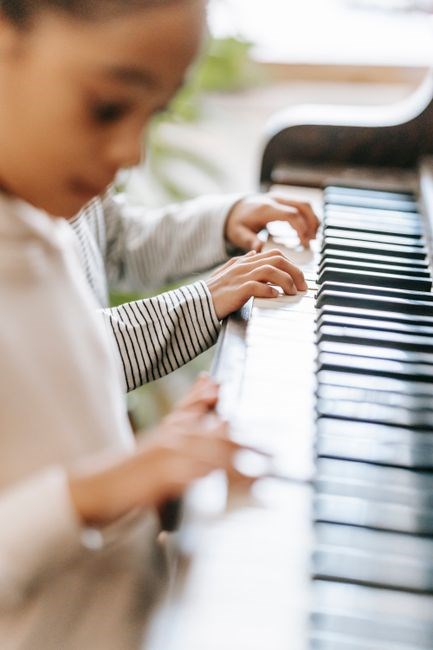
When approaching Mia and Sebastian’s theme, start by establishing a steady pulse in the left hand, using the root and fifth to anchor the harmony. Keep the right‑hand arpeggios fluid, ensuring each note lands with a light touch to preserve the lyrical quality. Practice the motif in both hands separately before combining, focusing on even tempo and consistent dynamics. Use a metronome set at 60–70 bpm, then gradually increase as comfort grows. Pay attention to the pedal: a subtle half‑pedal keeps the chords clear while allowing the melodic line to breathe. Experiment with voicing; bring the melody to the forefront by slightly lowering inner voices. Maintain relaxed shoulders and wrists, avoiding tension that can stifle the piece’s gentle sway. Incorporate expressive rubato sparingly, letting the emotional peaks rise naturally. Finally, record yourself to catch any inadvertent rhythmic slips or uneven phrasing, and adjust accordingly. Mastering these techniques will enable a faithful yet personal rendition of the beloved theme. Additionally, keep the hands close to the keys to reduce arm fatigue, and practice with a metronome that allows slight tempo fluctuations to simulate live performance.
Beyond technical precision, consider the emotional narrative embedded in the score. The theme often shifts subtly from hopeful to wistful; use dynamic contrast to mirror this journey. When the harmony moves to a minor mode, soften the attack and let the sustain linger, creating a reflective mood. Conversely, in major passages, brighten the touch and allow the right hand to articulate with a gentle lift. Practice these contrasts in small sections, then weave them into the full piece. This approach not only showcases technical skill but also deepens the interpretive connection with the audience. Also, record the piece in sections and listen for balance between the inner voices and the melody, adjusting the touch accordingly.
Finally, integrate the theme into a broader repertoire context. Play it alongside related works to understand its stylistic lineage. Analyze how composers use motifs, and how this theme’s simplicity belies its harmonic sophistication. By studying variations, you’ll gain insight into phrasing choices and rhythmic nuances. Regularly revisit the piece, noting any new expressive ideas that emerge. Over time, this continuous refinement will transform a simple exercise into a compelling performance that resonates with listeners. You can also experiment with different pedal techniques, such as a light half‑pedal during lyrical passages and a full pedal during dramatic climaxes, to enhance the harmonic texture.
Common Mistakes to Avoid
When learning Mia and Sebastian’s theme, several pitfalls can derail a smooth performance. First, neglecting the balance between hands often results in a muddy texture; the left hand should provide a steady harmonic foundation while the right hand sings the melody. Second, over‑pedaling can blur the delicate arpeggios; use a half‑pedal or lift the pedal at phrase ends to preserve clarity. Third, inconsistent tempo—especially during the subtle rubato sections—creates a disjointed feel; keep a metronomic pulse in the background. Fourth, ignoring dynamic contrast can make the piece flat; emphasize the soft, lyrical passages with a lighter touch and the moments attack. Fifth, improper hand positioning—tight wrists or high forearms—induces tension and hampers fluidity; maintain a relaxed, natural posture. Sixth, failing to practice the motif in isolation can lead to sloppy articulation; isolate the right‑hand line, then blend with the left. Seventh, overlooking the harmonic progression’s subtle shifts can cause misinterpretation; study the chord changes to guide phrasing. Finally, recording only the final run‑through without reviewing can miss hidden errors; record in segments, listen critically, and adjust. Avoiding these common mistakes will sharpen technique, enhance musicality, and ensure a faithful rendition of the beloved theme. By these techniques, pianists express the theme’s emotional depth, turningby tribute score.
Additional Resources
Explore sheet music variations, online tutorials, and practice tracks to deepen your grasp of Mia and Sebastian’s theme. Check reputable sites for free resources, video lessons, and community forums where pianists share insights and performance tips. Join a community and practice for mastery

Sheet Music Variants
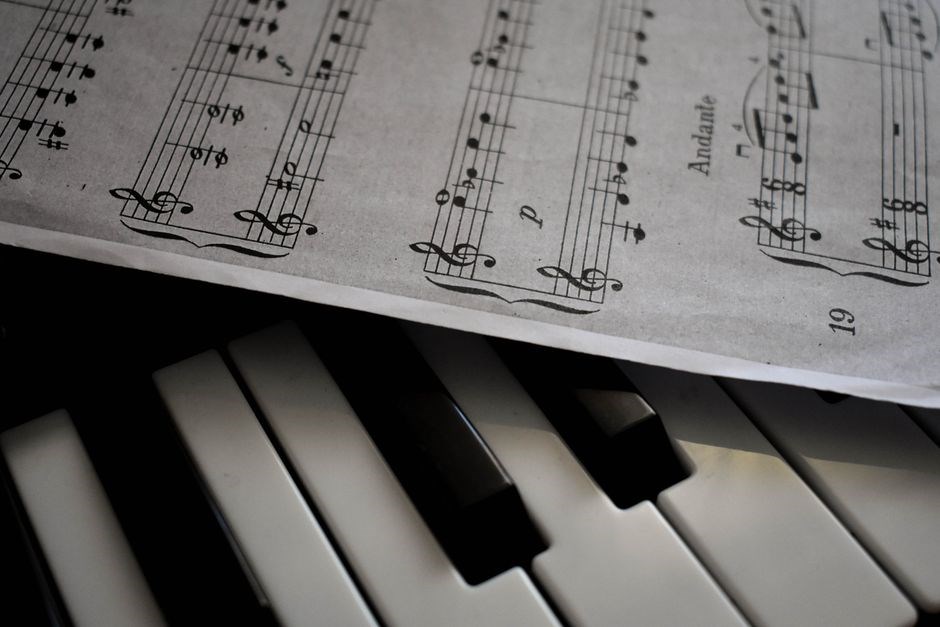
When searching for Mia and Sebastian’s theme, you’ll find a range of sheet‑music adaptations that cater to different skill levels and interpretive preferences. Beginner arrangements often simplify the harmony, reducing the chord voicings to basic triads and offering a slower tempo to allow ample rehearsal time. Intermediate versions introduce subtle rhythmic variations, such as syncopated left‑hand patterns, and incorporate more accurate chord extensions to reflect the original score’s harmonic richness. Advanced editions preserve the full orchestral texture, including more intricate pedal markings and dynamic nuances that mirror the film’s emotional arc. Many publishers also provide transposed copies, enabling pianists to experiment with key signatures that better suit their vocal range or instrument tuning. Additionally, some editions feature annotated performance notes, highlighting expressive phrasing, tempo rubato, and suggested rubato points that help convey the theme’s wistful longing. For those who enjoy a more contemporary feel, a few arrangements incorporate jazz voicings or a modern pop‑style rhythmic groove, offering a fresh take while maintaining the core melodic identity. Whether you prefer a faithful reproduction or a creative reinterpretation, the variety of sheet‑music options ensures that each pianist can find a version that aligns with their technical comfort and artistic vision. These versions let pianists tailor the mood by adjusting tempo adding ornaments!
Practice Tracks and Tutorials
For pianists eager to master Mia and Sebastian’s theme, a wealth of audio tracks and video tutorials is available. Many platforms host free practice recordings that isolate the left‑hand accompaniment, allowing you to focus on rhythmic precision while the right hand carries the lyrical melody. These tracks often include tempo markings and metronome clicks to help you internalize the piece’s subtle rubato. Additionally, step‑by‑step video lessons break the composition into manageable sections, offering finger‑position diagrams, hand‑over‑hand demonstrations, and dynamic shading. Some tutorials emphasize the emotional phrasing, guiding you to breathe with the music and to emphasize the thematic motifs that recur throughout the score. For advanced players, there are masterclass videos where seasoned pianists discuss interpretive choices, such as pedal timing, articulation nuances, and how to balance the harmony with the melodic line. Interactive practice apps allow you to loop specific measures, adjust playback speed, and record your own performance for critical listening. By combining these resources, you can develop a comprehensive understanding of the theme’s structure, refine technical execution, and ultimately convey the story’s romantic depth through your playing. Consistent use of these tracks and tutorials accelerates learning, builds confidence, and deepens musical insight; These resources help you master the theme, deepen your technique, and share performances with a community of pianists.!!