
pdf persepolis
Persepolis: A Comprehensive Overview
Persepolis‚ a celebrated graphic novel‚ is readily available as a PDF for reading and study; numerous online resources offer access‚ though caution regarding unverified sources is vital.
Free PDF versions exist‚ encompassing both Persepolis (2003) and Persepolis 2 (2004)‚ providing a comprehensive reading experience of Satrapi’s autobiographical work.
Downloading from legitimate sources ensures a safe and quality reading experience‚ avoiding potential malware or copyright infringements associated with dubious PDF downloads.
The complete work‚ totaling 62.7M in size‚ is accessible as an ebook‚ comic‚ and part of various online collections‚ facilitating widespread engagement with this impactful narrative.
Persepolis‚ penned by Marjane Satrapi‚ stands as a poignant autobiographical graphic novel‚ powerfully detailing her childhood experiences amidst the Iranian Revolution and its aftermath. The work’s accessibility extends to digital formats‚ with PDF versions circulating widely‚ offering readers convenient access to this impactful story.
Satrapi masterfully blends personal narrative with broader historical context‚ providing a unique perspective on a tumultuous period. The availability of Persepolis as a PDF allows for broader dissemination of this crucial historical and personal account‚ reaching diverse audiences globally.
Readers can explore the complete narrative‚ encompassing both volumes‚ in PDF format‚ facilitating in-depth study and appreciation of Satrapi’s artistic and literary achievements. The digital format enhances accessibility for students‚ researchers‚ and anyone interested in understanding Iranian history and culture through a deeply personal lens.
The PDF version preserves the graphic novel’s visual storytelling‚ allowing readers to fully experience Satrapi’s distinctive art style and its contribution to the narrative’s emotional resonance.
Historical Context: Iran Before the Islamic Revolution
Understanding the pre-Revolutionary Iran depicted in Persepolis requires acknowledging decades of rule under the American-backed Shah. This period‚ preceding the 1979 Islamic Revolution‚ witnessed significant political and social tensions‚ forming the backdrop against which Satrapi’s childhood unfolded. Accessing the graphic novel in PDF format allows for focused study of this historical context.
The PDF version of Persepolis provides a visual and narrative entry point into understanding the widespread dissatisfaction with the Shah’s despotic regime. Readers can analyze how Satrapi portrays the societal anxieties and political unrest brewing before the revolution.
The availability of Persepolis as a PDF facilitates comparative research‚ enabling readers to cross-reference Satrapi’s account with other historical sources. This enhances comprehension of the complex factors contributing to the revolutionary fervor.
Through the PDF‚ one can closely examine how Satrapi illustrates the hopes for freedom and change that fueled the initial support for the revolution.
The Shah’s Reign and Growing Dissatisfaction
Persepolis‚ accessible in PDF format‚ vividly portrays the oppressive nature of the Shah’s reign and the escalating discontent among the Iranian populace. The graphic novel details how the Shah’s autocratic rule‚ supported by the United States‚ fostered widespread resentment and a yearning for political change.
Studying the PDF version allows readers to analyze Satrapi’s depiction of the Shah’s regime’s suppression of dissent and its impact on everyday life. The visual narrative powerfully conveys the atmosphere of fear and political control prevalent during that era.
The PDF facilitates a deeper understanding of the socio-economic inequalities that fueled the growing dissatisfaction. Satrapi’s personal story‚ presented in the PDF‚ becomes a microcosm of the broader societal struggles.
Through the PDF‚ readers can trace the origins of the revolutionary movement and the complex motivations of those who sought to overthrow the Shah’s government.
Persepolis (Graphic Novel) ⎼ Content and Themes
The Persepolis PDF delivers Satrapi’s poignant story‚ exploring themes of identity‚ displacement‚ and revolution through compelling visuals and autobiographical narrative.
Part One: The Story of a Childhood
Part One of Persepolis‚ readily accessible in PDF format‚ intimately portrays Marjane Satrapi’s early life in Iran before and during the onset of the Islamic Revolution.
This section focuses on her childhood experiences within a relatively liberal and Westernized family‚ showcasing her playful nature and burgeoning awareness of the political climate.
The PDF allows readers to follow young Marjane’s perspective as she navigates school‚ friendships‚ and family life‚ all while witnessing the growing unrest and societal changes.
Through Satrapi’s distinctive black-and-white illustrations‚ the PDF vividly depicts the everyday moments of her childhood‚ contrasted with the escalating political tensions and the looming shadow of revolution.
Readers can experience Marjane’s initial innocence and gradual understanding of the complexities surrounding her‚ as presented in the complete narrative available as a downloadable PDF.
The PDF version preserves the graphic novel’s unique storytelling style‚ offering a powerful and accessible way to engage with this foundational part of Satrapi’s autobiographical journey.
The Impact of the Islamic Revolution on a Young Girl
The PDF version of Persepolis powerfully illustrates the profound impact of the Islamic Revolution on Marjane Satrapi’s childhood‚ transforming her world and worldview.
As the revolution unfolds‚ the PDF reveals Marjane’s growing awareness of political upheaval‚ religious fundamentalism‚ and the loss of personal freedoms‚ experienced through a child’s eyes.
The downloadable PDF showcases her initial enthusiasm for the revolution’s promise of freedom‚ quickly replaced by disillusionment as the new regime imposes strict rules and restrictions.
Readers witness Marjane’s struggles with mandatory veiling‚ the suppression of dissent‚ and the increasing dangers faced by her family and friends‚ all vividly depicted in the graphic novel’s panels.
The PDF format allows for close examination of Satrapi’s artistic choices‚ emphasizing the emotional toll of the revolution on a young girl’s psyche and sense of identity.
Through this accessible PDF‚ the narrative demonstrates how political events irrevocably shape a child’s understanding of the world and their place within it.
Themes of Identity and Displacement
The PDF of Persepolis masterfully explores the complex themes of identity and displacement‚ central to Marjane Satrapi’s autobiographical narrative.
As a young Iranian girl navigating revolution and war‚ Marjane grapples with questions of national‚ religious‚ and personal identity‚ vividly portrayed within the PDF’s pages.
The downloadable PDF illustrates her feelings of alienation and displacement‚ both within Iran and later as an expatriate in Europe‚ struggling to reconcile different cultures.
Satrapi’s artistic style in the PDF emphasizes the fragmentation of identity‚ using stark black and white imagery to convey emotional turmoil and a sense of rootlessness.
The PDF reveals Marjane’s search for belonging and self-definition amidst political upheaval and cultural clashes‚ a universal experience of displacement.
Through this accessible PDF‚ readers witness her journey of self-discovery‚ forging a unique identity shaped by her experiences and resilience.
The Role of Family in Navigating Political Turmoil
The PDF version of Persepolis profoundly illustrates the crucial role of family in navigating the intense political turmoil of Iran during and after the Islamic Revolution.
Satrapi’s depiction‚ readily available in the PDF‚ showcases her parents as pillars of support‚ offering guidance and a sense of normalcy amidst chaos and fear.
The downloadable PDF reveals how family discussions‚ though often fraught with tension‚ fostered critical thinking and a nuanced understanding of the evolving political landscape.
Despite facing personal risks‚ Marjane’s family prioritized her education and encouraged her independent spirit‚ as vividly portrayed within the PDF’s narrative.
The PDF demonstrates the family’s collective resilience in adapting to changing social norms and safeguarding their values during a period of profound upheaval.
Through the accessible PDF‚ readers witness the enduring power of familial bonds in providing solace‚ strength‚ and a moral compass during times of crisis.
Persepolis as a Literary Work
The PDF of Persepolis showcases a groundbreaking graphic memoir‚ blending autobiographical narrative with potent visual storytelling‚ earning critical acclaim and numerous awards.
Genre: Graphic Memoir and Autobiographical Narrative
Persepolis firmly establishes itself within the genre of graphic memoir‚ uniquely merging personal recollection with the visual power of comics. The readily available PDF format allows readers to intimately experience Marjane Satrapi’s autobiographical account of growing up during and after the Iranian Revolution.
Unlike traditional autobiographies‚ Persepolis utilizes panels‚ speech bubbles‚ and stark black-and-white imagery to convey complex emotions and historical events. This stylistic choice enhances the narrative’s immediacy and emotional resonance‚ making it accessible to a wider audience. The PDF version preserves this visual integrity.
The graphic novel format isn’t merely decorative; it’s integral to the storytelling. Satrapi’s artistic choices – her simplified style‚ deliberate panel layouts – contribute significantly to the memoir’s themes of identity‚ displacement‚ and the search for belonging. Accessing the story via PDF doesn’t diminish this artistic impact.
Furthermore‚ the PDF allows for close reading and analysis of the interplay between text and image‚ crucial for understanding the nuances of Satrapi’s narrative and her innovative approach to autobiographical writing.
Art Style and Visual Storytelling Techniques
Persepolis’ distinctive art style‚ characterized by stark black-and-white illustrations and simplified figures‚ is powerfully preserved within the PDF format. Satrapi deliberately avoids elaborate detail‚ focusing instead on conveying emotion and narrative clarity through expressive lines and impactful compositions.
This minimalist approach isn’t a limitation but a deliberate artistic choice. It mirrors the emotional austerity of the historical context and emphasizes the universal themes of the story. The PDF allows for focused examination of these stylistic elements.
Satrapi masterfully employs visual storytelling techniques‚ such as panel size and arrangement‚ to control pacing and emphasize key moments. The PDF’s digital format facilitates zooming and detailed inspection of these techniques.
The use of shadows and contrasts further enhances the emotional weight of scenes‚ while the occasional inclusion of Persian calligraphy adds cultural authenticity. Experiencing these nuances is readily achievable through the PDF version.
Symbolism and Imagery in Persepolis
The PDF version of Persepolis allows for close study of its rich symbolism and recurring imagery. Veils‚ for instance‚ are not merely religious garments but represent shifting societal control and the suppression of female agency‚ powerfully visualized within the digital pages.
Keys frequently appear‚ symbolizing freedom‚ access‚ and the loss thereof‚ particularly during periods of political upheaval. The PDF’s search function aids in tracing these motifs throughout the narrative.
Imagery of war‚ such as airplanes and explosions‚ is deliberately stark and unsettling‚ reflecting the trauma experienced by Marjane and her community. The PDF preserves the raw emotional impact of these depictions.
Furthermore‚ Satrapi utilizes visual metaphors‚ like shadows and confinement‚ to represent psychological states and the oppressive atmosphere of the revolution. The digital format enhances the ability to analyze these subtle yet significant artistic choices.
Critical Reception and Awards
The widespread availability of Persepolis as a PDF has facilitated its extensive academic study and critical acclaim. The graphic novel garnered significant praise for its honest portrayal of the Iranian Revolution and its impact on individual lives.

Critics lauded Satrapi’s unique narrative voice and her skillful blending of personal experience with broader political commentary. The PDF format allows researchers easy access to the text for detailed analysis.
Persepolis received numerous awards‚ including the Angoulême Prize for Best Book and the Eisner Award for Best Autobiographical Comic‚ solidifying its status as a literary masterpiece.
The digital accessibility through PDF versions has broadened its readership‚ contributing to ongoing discussions about its themes of identity‚ displacement‚ and political resistance. Its enduring relevance continues to be recognized globally.
Persepolis in PDF Format: Access and Availability
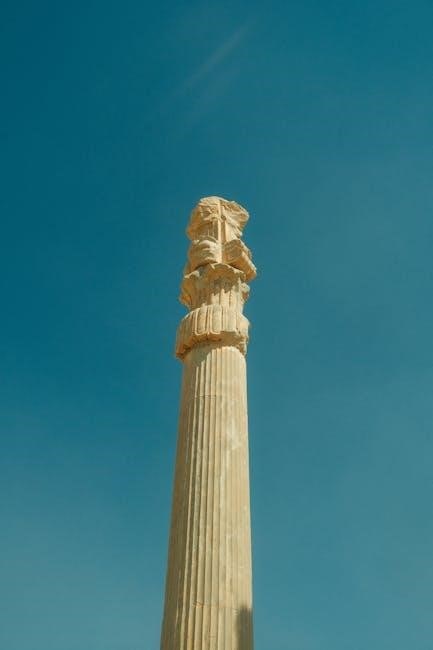
Persepolis’s PDF format offers convenient access‚ though sourcing legally is crucial; online resources provide options‚ demanding caution regarding file verification and copyright.
Finding Legal PDF Versions of Persepolis
Locating legitimate PDF versions of Marjane Satrapi’s Persepolis requires careful navigation of online resources. While free downloads are tempting‚ prioritizing legal avenues protects both the author’s rights and your digital security.
Several online bookstores and digital libraries offer Persepolis for purchase as a PDF. These platforms‚ such as Amazon Kindle‚ Google Play Books‚ and ComiXology‚ guarantee authentic copies and a safe download experience. University and public libraries often provide access to digital copies through their online lending systems‚ offering a free and legal alternative.
Beware of websites promising free PDF downloads from unverified sources. These sites frequently harbor malware‚ viruses‚ or pirated content‚ potentially compromising your device and violating copyright laws. Always verify the source’s credibility before downloading any file. Checking for secure website connections (HTTPS) and reading user reviews can offer valuable insights. Supporting the author by purchasing a legal copy ensures the continuation of impactful storytelling like Persepolis.
Free Online Resources for Reading Persepolis
While purchasing a PDF is ideal‚ several legitimate avenues offer free online access to Persepolis‚ albeit often with limitations. Many public and university libraries provide digital lending services‚ allowing patrons to borrow the ebook format for a limited time through platforms like Libby or OverDrive.
Internet Archive‚ a non-profit digital library‚ sometimes hosts digitized copies of Persepolis‚ offering free reading access. However‚ availability may vary due to copyright restrictions. Some educational institutions may also provide students with access through their online learning platforms.
Be cautious of websites claiming unrestricted free access‚ as these often violate copyright and may contain malicious software. Always prioritize reputable sources and verify the legitimacy of the website before engaging. Exploring library resources remains the safest and most ethical approach to enjoying Persepolis online without cost.
Potential Risks of Downloading PDFs from Unverified Sources
Downloading Persepolis PDFs from untrustworthy websites carries significant risks; These sources frequently harbor malware‚ viruses‚ and spyware‚ potentially compromising your device and personal data. Illegitimate sites often disguise malicious software within seemingly harmless PDF files‚ leading to identity theft or financial loss.
Furthermore‚ downloading copyrighted material from unverified sources is illegal and unethical‚ violating intellectual property rights. Such websites often lack proper security protocols‚ exposing you to phishing scams and other online threats; The quality of the PDF itself may be poor‚ containing missing pages or distorted formatting.
Prioritize legal and reputable sources to safeguard your digital security and support the author’s work. Always scan downloaded files with updated antivirus software and exercise extreme caution when encountering free PDF offers from unknown origins.
Persepolis Download Manager (PDM) ‒ A Separate Topic
Persepolis Download Manager (PDM)‚ a GUI for Aria2‚ is unrelated to Persepolis the graphic novel’s PDF‚ yet offers efficient file downloading capabilities.
Persepolis Download Manager (PDM) emerges as a powerful‚ yet user-friendly‚ download tool‚ distinct from resources for accessing the graphic novel Persepolis in PDF format. It functions as a graphical interface built upon the robust foundation of the Aria2 command-line download utility.
This means even users unfamiliar with command-line operations can harness Aria2’s capabilities with ease. PDM is designed to be zero-configuration‚ simplifying the download process significantly. It’s an open-source application‚ offering transparency and community-driven development;
While not directly involved in obtaining the Persepolis PDF itself‚ PDM excels at managing any file download‚ including those sourced from links found while searching for the graphic novel. Its strength lies in providing a streamlined and efficient downloading experience‚ independent of the content being downloaded.
PDM as a Download Tool for Various Files
Persepolis Download Manager (PDM) isn’t limited to just one file type; it’s a versatile tool capable of handling downloads of all kinds‚ including PDF files like the graphic novel Persepolis. While searching for and acquiring a Persepolis PDF‚ PDM can efficiently manage the download process from various sources.
It’s adept at handling diverse file formats‚ from documents and archives to multimedia content. PDM’s strength lies in its ability to accelerate downloads through multi-threading‚ splitting a file into multiple parts for faster retrieval. It also supports resuming interrupted downloads‚ preventing data loss and wasted bandwidth.
Furthermore‚ PDM allows users to control download speed‚ preventing it from monopolizing internet bandwidth. This makes it ideal for managing multiple downloads simultaneously‚ including a Persepolis PDF alongside other files.
PDM Features: Multi-threading‚ Resuming Downloads‚ and Speed Control
When downloading a Persepolis PDF‚ Persepolis Download Manager (PDM) excels with its core features. Multi-threading significantly boosts download speeds by dividing the PDF into segments‚ retrieving them concurrently. This is particularly useful for larger PDF files‚ reducing overall download time.
Resuming Downloads is crucial; internet connections can be unstable. PDM allows you to seamlessly continue a Persepolis PDF download from where it left off‚ avoiding the need to restart the entire process. This saves bandwidth and time‚ especially for sizable files.
Speed Control provides granular control over bandwidth usage. Users can limit download speeds to prevent PDM from saturating their connection‚ ensuring other online activities remain unaffected while acquiring the Persepolis PDF.
PDM vs. Other Download Managers (IDM‚ Aria2)
When seeking a Persepolis PDF‚ comparing Persepolis Download Manager (PDM) to alternatives like IDM and Aria2 reveals key distinctions. IDM‚ while powerful‚ often requires paid licenses and can be resource-intensive. PDM offers a free‚ lightweight alternative‚ ideal for single-file downloads like a PDF.
Aria2 is a robust command-line tool‚ but its complexity can deter novice users. PDM provides a user-friendly GUI built upon Aria2’s core engine‚ simplifying the process of downloading a Persepolis PDF without requiring command-line expertise.
PDM’s zero-configuration setup is a significant advantage‚ making it immediately usable for downloading the PDF‚ unlike Aria2 which demands initial configuration. It balances power and simplicity effectively.
Persepolis: Adaptations and Related Works
Persepolis inspired a critically acclaimed animated film‚ expanding its reach; accessing the PDF version complements experiencing the story through diverse artistic mediums.
Film Adaptation of Persepolis
Persepolis was adapted into a celebrated animated film‚ released in 2007‚ directed by Marjane Satrapi and Vincent Paronnaud. This adaptation faithfully captures the essence of the graphic novel‚ bringing Satrapi’s personal story to a wider audience through a visually striking and emotionally resonant medium.
The film mirrors the narrative arc of the PDF version‚ detailing Marjane’s childhood in Iran during and after the Islamic Revolution‚ her experiences with displacement‚ and her journey to self-discovery. While the film necessarily condenses certain elements of the extensive graphic novel‚ it retains the core themes of identity‚ freedom‚ and the complexities of Iranian history.
For those engaging with the PDF‚ watching the film offers a complementary perspective‚ enriching understanding through animation and voice acting. Conversely‚ reading the PDF after viewing the film provides deeper context and nuance to the cinematic portrayal‚ allowing for a more comprehensive appreciation of Satrapi’s work.
Both formats powerfully convey the story’s message.
Other Works by Marjane Satrapi
Beyond Persepolis‚ Marjane Satrapi has created a diverse body of work‚ showcasing her talent as a graphic novelist‚ filmmaker‚ and author. Her subsequent graphic memoir‚ Persepolis 2‚ continues Marjane’s story‚ detailing her experiences as a student in Vienna and her evolving understanding of identity and belonging – often available as a PDF alongside the first volume.
Satrapi has also authored other graphic novels‚ including “Chicken with Plums” and “The Sigh‚” exploring themes of family‚ loss‚ and Iranian culture with her signature blend of humor and poignant observation. These works‚ like Persepolis‚ are frequently found in digital formats‚ including PDF versions‚ expanding accessibility.
Her filmography includes directing “The Voices” (2014)‚ a dark comedy‚ demonstrating her versatility as a storyteller. Exploring Satrapi’s broader oeuvre enriches appreciation for the autobiographical depth and artistic vision present in the widely-read Persepolis PDF.
Similar Graphic Novels and Autobiographical Works
Readers captivated by Persepolis’s poignant storytelling and unique visual style may find resonance in other autobiographical graphic novels. Art Spiegelman’s “Maus‚” a Pulitzer Prize-winning work depicting his father’s experiences during the Holocaust‚ shares Persepolis’s commitment to exploring complex historical events through a personal lens; digital PDF copies are widely available.
Alison Bechdel’s “Fun Home‚” a memoir exploring her relationship with her father‚ offers a similarly introspective and emotionally resonant narrative. Both works‚ like Persepolis‚ skillfully blend personal experience with broader social and political contexts‚ often accessible in PDF format.
Other notable titles include “Blankets” by Craig Thompson and “Palestine” by Joe Sacco‚ each offering distinct perspectives on personal journeys and geopolitical realities. Exploring these works alongside a Persepolis PDF provides a richer understanding of the graphic memoir genre.

The Significance of Persepolis Today
Persepolis‚ even in PDF form‚ remains a vital cultural bridge‚ fostering empathy and understanding; its themes resonate powerfully in contemporary political discourse today.
Persepolis as a Bridge Between Cultures
Persepolis‚ whether experienced through its physical form or as a readily accessible PDF‚ serves as a powerful conduit for cross-cultural understanding‚ dismantling stereotypes and fostering empathy.
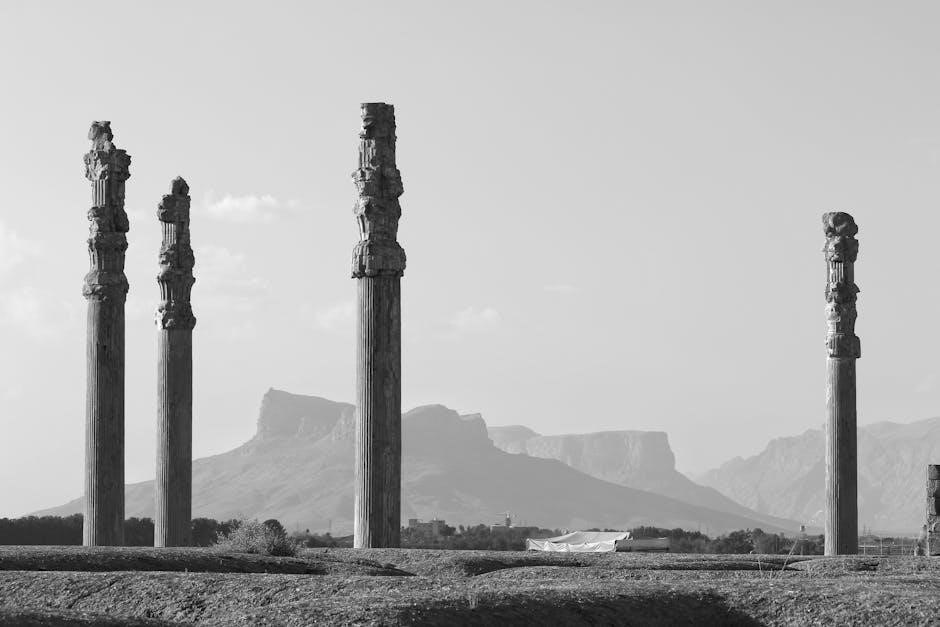
Marjane Satrapi’s autobiographical narrative offers Western audiences a nuanced perspective on Iran‚ moving beyond often-simplistic media portrayals and revealing the complexities of life within the nation.
The graphic novel format itself transcends linguistic barriers‚ making the story accessible to a wider readership‚ even for those unfamiliar with the historical and political context.
The widespread availability of the PDF version further democratizes access to this crucial story‚ allowing individuals globally to engage with Iranian history and culture directly.
By humanizing the Iranian experience‚ Persepolis challenges preconceived notions and encourages dialogue‚ ultimately building bridges of understanding between different cultures and perspectives.
Its enduring relevance lies in its ability to promote empathy and critical thinking‚ fostering a more informed and interconnected world‚ even through digital distribution like PDFs.
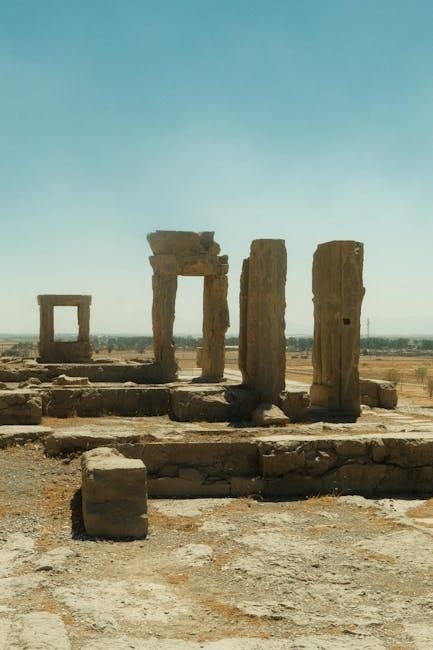
The Relevance of Persepolis to Contemporary Political Issues
Even in PDF format‚ Persepolis retains striking relevance to contemporary political issues‚ resonating with themes of authoritarianism‚ displacement‚ and the fight for freedom of expression.
The graphic novel’s depiction of the Iranian Revolution and its aftermath mirrors struggles for democracy and human rights occurring globally today‚ prompting critical reflection on power dynamics.
Satrapi’s personal story highlights the impact of political upheaval on individual lives‚ a theme particularly poignant in light of current refugee crises and geopolitical conflicts.
The accessibility of the PDF version allows for wider dissemination of these crucial narratives‚ fostering informed discussions about political oppression and resistance movements.
Persepolis serves as a potent reminder of the importance of challenging dominant narratives and amplifying marginalized voices‚ a lesson vital in today’s polarized political landscape.
Its enduring power lies in its ability to connect historical events to present-day struggles‚ urging readers to engage critically with the world around them‚ even through digital access via PDFs.
Persepolis in Educational Settings
The availability of Persepolis as a PDF significantly enhances its utility in educational settings‚ offering cost-effective access for students and educators alike.
Its graphic novel format makes complex historical and political themes accessible to a wider range of learners‚ fostering engagement and critical thinking skills.
Instructors utilize the PDF version for classroom discussions on topics like revolution‚ identity‚ and the impact of war‚ prompting nuanced analyses.
The visual storytelling of Persepolis complements traditional textual materials‚ providing a multi-modal learning experience that caters to diverse learning styles.
Furthermore‚ the PDF format facilitates easy annotation and sharing of excerpts‚ promoting collaborative learning and in-depth textual analysis.
Its inclusion in curricula encourages students to explore perspectives beyond mainstream narratives‚ fostering empathy and global awareness‚ all facilitated by convenient PDF access.