
haier window air conditioner manual
Haier Window Air Conditioner Manual: A Comprehensive Guide
Navigating India’s heat demands informed AC choices; this manual details Haier window units, like the 1․5-ton split and 1-ton inverter models, for optimal performance․
Understanding Your Haier Window AC
Haier window air conditioners are designed for efficient cooling, particularly suited to India’s challenging climate․ These units, ranging from 1-ton to 1․5-ton capacities, utilize various technologies – including inverter options – to balance performance and energy consumption․ Understanding the core components is key to effective use․ The compressor is the cooling engine, while the condenser and evaporator facilitate heat exchange․
Fan motors circulate air, and the filter system ensures clean output․ Models like the HSUI3K-PYAIR4BN-INV feature advanced inverter technology for variable speed operation, optimizing cooling and reducing energy bills․ Familiarizing yourself with these basics will enhance your experience and aid in troubleshooting, ensuring your Haier AC delivers consistent comfort․
Model Identification and Specifications
Identifying your specific Haier window AC model is crucial for accessing the correct support and parts․ Key models include the 1 Ton 4 Star Inverter Split AC (HSU13K-PYAIR4BN-INV) and the 1․5 Ton 2 Star Window AC (HW-18CH2N)․ Locate the model number on the unit’s label, typically found on the side or rear panel․
Specifications vary by model, but common parameters include cooling capacity (in tons or BTU), power consumption (in watts), and energy efficiency rating (Star rating); Inverter models offer variable speed operation, while non-inverter units operate at a fixed speed․ Understanding these specifications helps you optimize performance and manage energy usage effectively․
Safety Precautions
Prioritize safety during installation and operation of your Haier window AC․ Always disconnect the power supply before cleaning or performing maintenance․ Avoid operating the unit with a damaged power cord or plug․ Ensure the AC is securely installed to prevent falling․
Never insert objects through the vents, as this can damage the internal components and pose an electrical hazard․ Do not use flammable sprays or liquids near the unit․ Keep the surrounding area clear of obstructions to ensure proper airflow․ If you notice unusual noises, smells, or smoke, immediately turn off the AC and contact Haier support․
Installation Guide
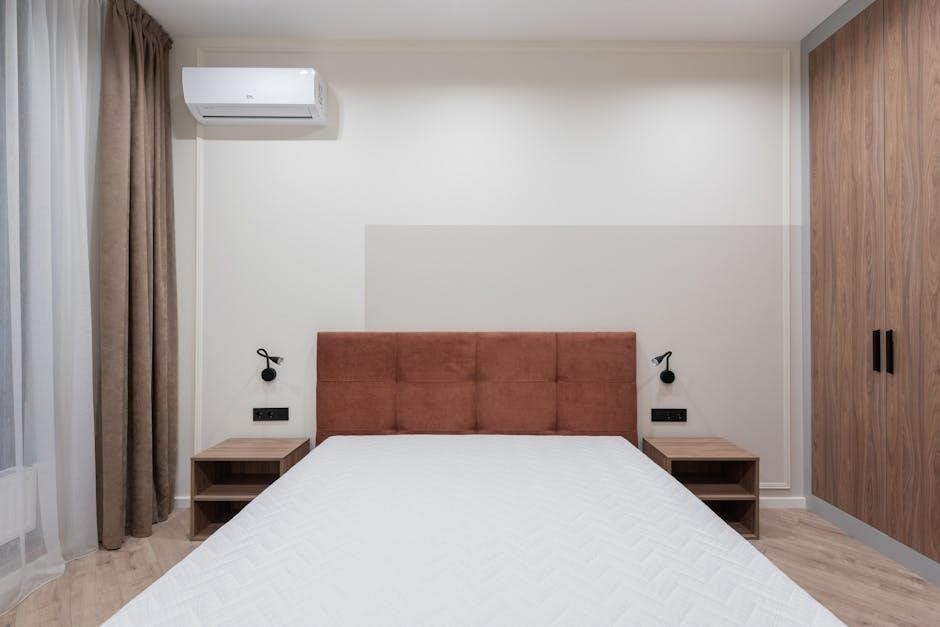
Proper installation is crucial for optimal performance․ Begin by carefully reviewing the included dimensions and ensuring your window meets the requirements․ Securely mount the mounting brackets, ensuring they are level and can support the AC’s weight․ Gently slide the unit into the window, ensuring a tight fit to prevent air leakage and maintain cooling efficiency․
Follow all local building codes and regulations․ Connect the power cord to a grounded outlet․ Double-check all connections before powering on․ For optimal operation, consider professional installation, especially for complex window setups․ A properly installed unit maximizes cooling and minimizes energy consumption․
Preparing for Installation
Before beginning, verify your window’s suitability․ Ensure it’s a standard double-hung window and can support the unit’s weight – typically requiring a sturdy sill and frame․ Gather necessary tools: a screwdriver, measuring tape, level, and potentially foam insulation․ Clear the window area of obstructions and ensure adequate space around the unit for airflow․
Inspect all components for damage․ Confirm the presence of all mounting brackets, screws, and the drain plug․ Review the unit’s dimensions against your window opening․ Preparing thoroughly streamlines the installation process and ensures a secure, efficient setup, maximizing cooling performance and longevity․
Physical Installation Steps
Begin by attaching the mounting brackets securely to the window frame, ensuring they are level for stable support․ Carefully lift the air conditioner and position it within the brackets, aligning it centrally․ Extend the side panels to fill the window opening, minimizing gaps for optimal insulation․
Secure the unit with screws, tightening them firmly but avoiding over-tightening․ Utilize foam insulation to seal any remaining gaps around the side panels, preventing air leakage․ Finally, check the unit’s stability and ensure proper drainage․ A correctly installed unit maximizes cooling efficiency and minimizes noise․
Operating Instructions
Your Haier window AC offers versatile operation for personalized comfort․ Begin by connecting the unit to a grounded power outlet․ Upon powering on, the default setting is typically ‘Cool’ mode, providing immediate cooling relief․ Utilize the control panel or remote to adjust the desired temperature and fan speed․
Explore different modes – ‘Fan’ for air circulation, ‘Dry’ to reduce humidity, and ‘Auto’ for intelligent temperature management․ Remember to allow the unit to run for a period to achieve optimal cooling․ Regular operation, combined with proper maintenance, ensures long-lasting performance and efficiency․
Powering On and Basic Operation
Initiating your Haier window AC is straightforward․ First, ensure the unit is securely installed and plugged into a properly grounded electrical outlet․ Press the power button, typically indicated by a power symbol, on the control panel or remote control․ The unit will initiate a self-check process, indicated by lights or a display․
Once powered on, the AC defaults to a pre-set cooling mode․ Adjust the temperature using the ‘Up’ and ‘Down’ buttons․ Select your preferred fan speed – Low, Medium, or High – for customized airflow․ Observe the room temperature and adjust settings accordingly for optimal comfort and energy efficiency․
Mode Selection (Cool, Fan, Dry, Auto)
Haier window ACs offer versatile modes to suit diverse climate needs․ Cool mode provides standard cooling, reducing room temperature․ Fan mode circulates air without cooling, ideal for ventilation․ Dry mode extracts moisture, reducing humidity – beneficial during monsoon seasons․

Auto mode intelligently adjusts cooling based on room temperature, optimizing comfort and energy usage․ To switch modes, use the ‘Mode’ button on the control panel or remote․ Each selection is typically indicated by a corresponding icon on the display․ Experiment with each mode to determine the best setting for your specific environment and preferences․
Remote Control Functions
Your Haier window AC’s remote control provides convenient operation from a distance․ It features buttons for power, mode selection (Cool, Fan, Dry, Auto), temperature adjustment, and fan speed control․ The ‘Sleep’ mode gradually increases temperature overnight for comfortable sleep․ Utilize the ‘Timer’ function to schedule operation, saving energy and ensuring comfort upon arrival or before bedtime․
Ensure the remote is aimed directly at the AC unit’s sensor for optimal responsiveness․ Replace batteries when the remote’s range diminishes or buttons become unresponsive․ Familiarize yourself with each button’s function for effortless control of your Haier AC․
Button Descriptions and Usage
The ‘Power’ button initiates or terminates AC operation․ ‘Mode’ cycles through Cool, Fan, Dry, and Auto settings․ ‘Temp Up/Down’ adjusts the desired room temperature․ ‘Fan Speed’ controls airflow – Auto, Low, Medium, and High․ ‘Sleep’ activates energy-saving nighttime operation․ ‘Timer’ sets delayed start or stop times․
The ‘Swing’ button directs airflow, while the ‘Turbo’ button maximizes cooling speed․ Proper usage ensures optimal comfort and efficiency․ Refer to the remote’s diagram for visual identification of each button․ Experiment with settings to discover your preferred climate control experience with your Haier window AC․
Remote Control Troubleshooting
If the remote isn’t functioning, first check the batteries, ensuring correct polarity․ Aim the remote directly at the AC unit’s sensor․ Obstructions can interfere with the signal․ If buttons are unresponsive, try resetting the remote by removing and reinserting the batteries․ Ensure no other devices are emitting interfering infrared signals․
If problems persist, clean the remote’s contact points with a soft, dry cloth․ A malfunctioning remote may require replacement․ Contact Haier support for assistance if troubleshooting steps fail․ Avoid dropping or exposing the remote to excessive moisture, as this can cause damage․
Filter Maintenance
Regular filter maintenance is crucial for optimal performance and air quality․ Dirty filters restrict airflow, reducing cooling efficiency and potentially damaging the unit․ Locate the filter, typically behind the front panel, and carefully remove it․ Cleaning frequency depends on usage; however, a bi-weekly check during peak season is recommended․
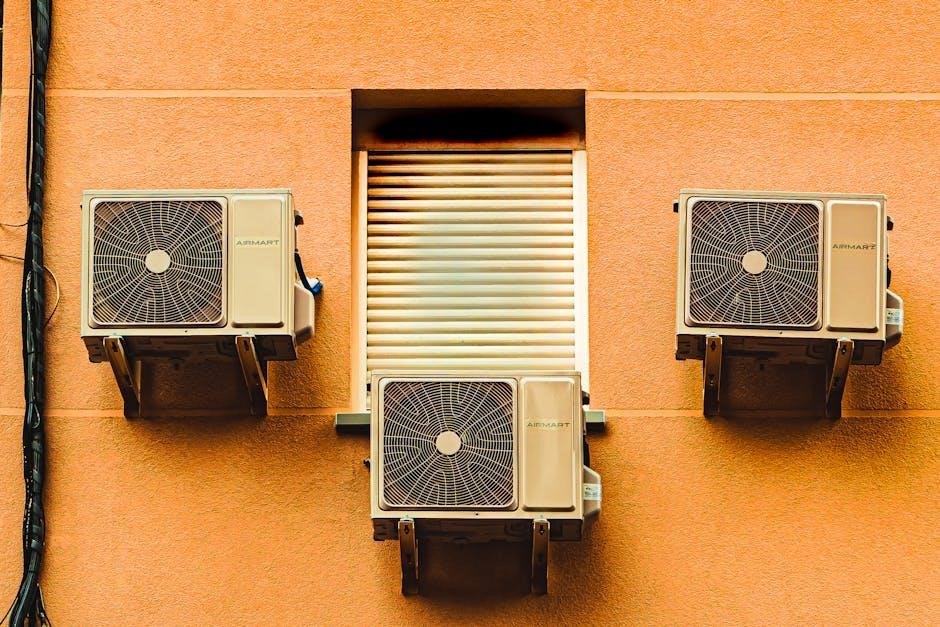
Vacuum the filter to remove loose dust, then wash it gently with mild soap and water․ Ensure the filter is completely dry before reinstalling it․ A clogged filter significantly impacts energy consumption․ Replacing the filter annually, or as needed, ensures continued efficient operation and cleaner air․
Filter Location and Removal
Locating your Haier window AC’s filter is the first step in maintaining optimal air quality and cooling performance․ Typically, the filter is situated behind the front panel of the unit, easily accessible for routine cleaning․ To remove it, gently lift the front panel – some models may have release tabs or buttons․
Once the panel is open, you’ll find the air filter․ Slide it out carefully, noting its orientation for correct reinstallation․ Avoid forcing the filter; if it resists, consult the full manual for model-specific instructions․ Regular access and removal are vital for efficient operation and longevity of your Haier AC․
Cleaning Procedures and Frequency
Maintaining a clean filter is crucial for your Haier window AC’s efficiency․ Begin by vacuuming the filter to remove loose dust and debris․ For a deeper clean, gently wash the filter with mild soap and lukewarm water, avoiding harsh chemicals․ Rinse thoroughly until all soap residue is gone․
Allow the filter to air dry completely before reinstalling – never operate the AC with a damp filter․ Cleaning frequency depends on usage; however, a bi-weekly cleaning during peak season is recommended․ In less dusty environments, monthly cleaning may suffice․ Consistent filter maintenance ensures optimal airflow and cooling performance․
Troubleshooting Common Issues
If your Haier window AC isn’t cooling effectively, first check the filter for blockage – a dirty filter restricts airflow․ Ensure the unit is properly sealed in the window to prevent warm air from entering․ For water leaks, verify the unit is slightly tilted backward for proper drainage․ Inspect the drain hose for clogs or kinks․

Persistent issues may indicate a more serious problem․ Avoid attempting complex repairs yourself; consult the error code section or contact Haier support․ Regularly addressing these common concerns will help maintain optimal performance and extend the lifespan of your appliance․
AC Not Cooling Properly
If your Haier window AC fails to cool adequately, begin by inspecting the air filter for dirt and debris – a clogged filter severely restricts airflow, diminishing cooling capacity․ Confirm the unit is securely installed in the window, ensuring a tight seal to prevent warm air infiltration․ Verify the thermostat is set to a sufficiently low temperature and isn’t in “Fan Only” mode․
Additionally, check the condenser coils located on the exterior of the unit for obstructions․ If problems persist, consult the error code section or contact Haier support for professional assistance․
Water Leaking from the Unit
Water leakage from your Haier window AC typically indicates a drainage issue․ First, ensure the unit is slightly tilted towards the outside to facilitate proper condensate drainage․ Inspect the drain hose for kinks or blockages, clearing any obstructions you find․ Confirm the drain pan isn’t overflowing or cracked, as this can cause water to spill․
If leakage continues, especially during humid conditions, it might signal a frozen evaporator coil․ Turn off the unit and allow it to thaw completely before restarting․ If the problem persists, professional servicing is recommended․
Error Codes and Their Meanings
Haier window AC units utilize error codes to diagnose internal issues, displayed on the unit’s panel․ While specific codes vary by model, common ones include “E1” indicating a temperature sensor error, requiring professional inspection․ “E2” often signals a compressor malfunction, necessitating service․ “E3” may point to an evaporator sensor problem, impacting cooling performance․

Other potential codes include those related to fan motor failures or communication errors․ Consult your specific model’s documentation for a complete list and recommended actions․ Ignoring error codes can lead to further damage, so prompt attention is crucial․
Energy Saving Tips
Maximize efficiency with your Haier window AC by utilizing its features wisely․ Employ the “Auto” mode, allowing the unit to adjust cooling based on room temperature, reducing energy consumption․ Regularly clean the air filter – a clogged filter forces the AC to work harder․
Consider using a programmable timer to schedule operation only when needed․ Seal any gaps around the window unit during installation to prevent cooled air from escaping․ Opt for a higher thermostat setting; even a small increase can yield significant savings․ Utilize fan-only mode when cooling isn’t required․
Winter Storage Instructions
Preparing your Haier window AC for winter storage extends its lifespan․ Before storing, thoroughly clean the unit, including the filter, and allow it to dry completely to prevent mold growth․ Disconnect the AC from the power source and remove any mounting hardware․

Store the unit in a dry, covered location, protected from dust and extreme temperatures․ Cover the AC with a plastic bag or sheet to further protect it․ Consider storing the remote control with the unit to avoid misplacement․ Regularly check the stored unit for any signs of damage or pests during the off-season․
Cleaning and General Maintenance
Regular cleaning ensures optimal performance and longevity of your Haier window AC․ Wipe down the exterior with a damp cloth and mild detergent․ Focus on the front panel and control areas, avoiding abrasive cleaners․ Periodically inspect the fins for debris and gently straighten any bent ones․

Beyond filter cleaning (detailed elsewhere), check the drain hose for clogs to prevent water leakage․ Ensure proper ventilation around the unit․ Annual professional maintenance is recommended for a thorough inspection and cleaning of internal components, maximizing efficiency and preventing costly repairs․
Warranty Information
Haier provides a warranty on its window air conditioners, covering defects in materials and workmanship․ The standard warranty period typically begins from the date of purchase, as indicated on your sales receipt․ Specific terms and duration vary by model – for example, the 1-ton inverter split AC (HSU13K-PYAIR4BN-INV) may have different coverage than the 1․5-ton window unit (HW-18CH2N)․
The warranty excludes damage from misuse, improper installation, or lack of regular maintenance․ Keep your proof of purchase and register your appliance online for streamlined claims processing․ Refer to the separate warranty card included with your unit for complete details and claim procedures․
Contacting Haier Support
For assistance with your Haier window air conditioner, several support channels are available․ Haier’s official website provides a comprehensive FAQ section and troubleshooting guides, potentially resolving common issues quickly․ A dedicated customer service hotline is accessible during business hours for direct assistance with model-specific questions, like those concerning the HSU13K-PYAIR4BN-INV or HW-18CH2N․
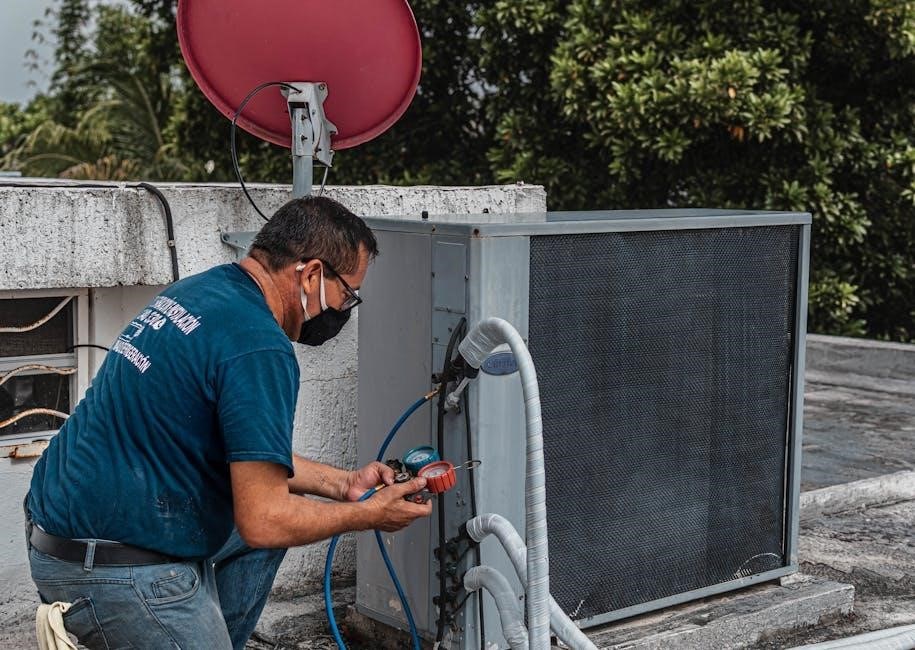
Email support offers another avenue for inquiries, allowing detailed explanations and documentation․ Social media channels may also provide responsive support․ Ensure you have your model number and purchase date ready when contacting support for efficient service․
Frequently Asked Questions (FAQ)
Q: Why isn’t my Haier AC cooling effectively? A: Check the filter for blockage, ensure proper installation, and verify the set temperature․ Q: What causes water leakage? A: Improper installation, clogged drain lines, or excessive humidity can contribute․ Q: How do I choose the right size AC? A: Consider room size; a 1․5-ton unit suits larger spaces, while 1-ton models are ideal for smaller rooms․

Q: What’s the difference between inverter and non-inverter models? A: Inverter ACs offer variable speed, enhancing energy efficiency․ Q: Where can I find replacement parts? A: Contact Haier support or authorized dealers․
Common User Queries Addressed
Q: My unit makes strange noises – is this normal? A: Some operational sounds are typical, but persistent loud noises warrant inspection․ Q: Can I use a stabilizer with my Haier AC? A: It’s recommended in areas with voltage fluctuations to protect the unit․ Q: How often should I clean the coils? A: At least twice a year for optimal performance, especially before and after peak seasons․
Q: What star rating should I look for? A: Higher star ratings indicate greater energy efficiency, reducing electricity bills․ Q: Is professional installation necessary? A: Yes, for proper functioning and to avoid voiding the warranty․
Parts List and Diagram
Key Components: Front Panel, Control Panel, Air Filter, Condenser Coil, Evaporator Coil, Compressor, Fan Motor, Base Pan, Side Panels, Rear Grill, Drain Plug, and Mounting Hardware․ Diagram Overview: A detailed exploded view illustrates component placement and relationships․ Refer to the diagram for proper assembly and disassembly during maintenance or repair․
Important Note: Always disconnect power before attempting any repairs․ Replacement parts should be genuine Haier components to ensure compatibility and maintain warranty validity․ Contact Haier support for assistance locating specific parts or interpreting the diagram․